Photo Essay Nayarit Pacific Coast, Mexico


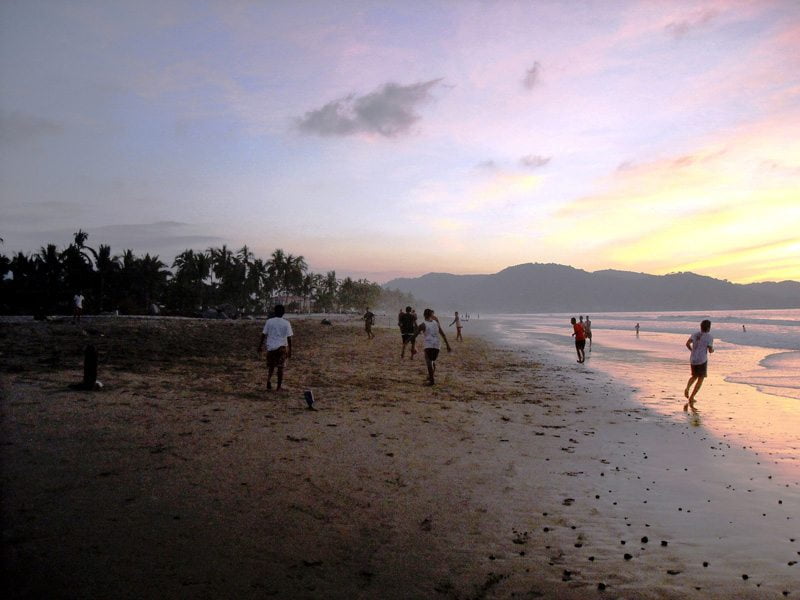
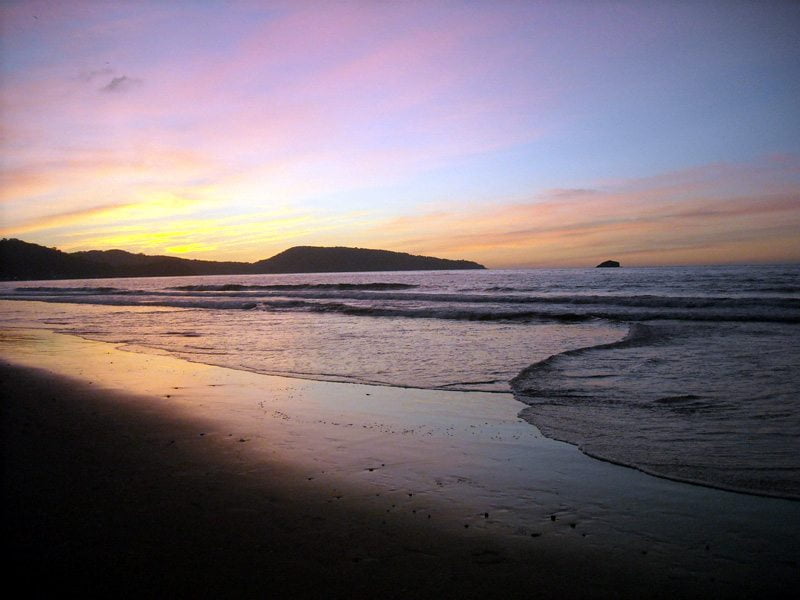
The Beach at Guyabitos (Before the holidays!)

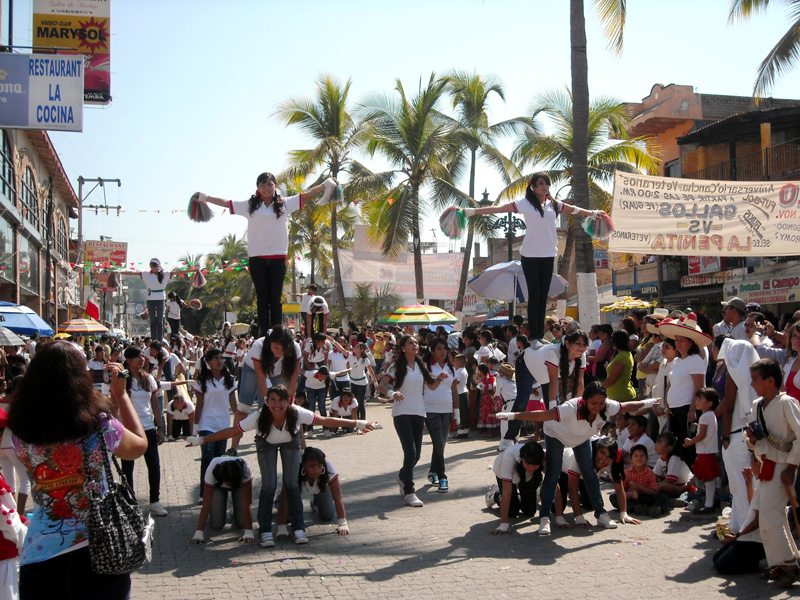
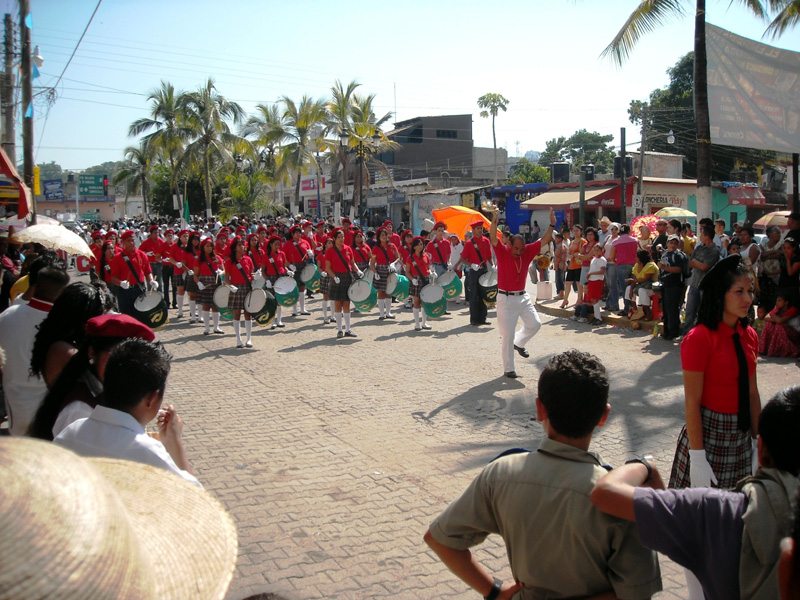
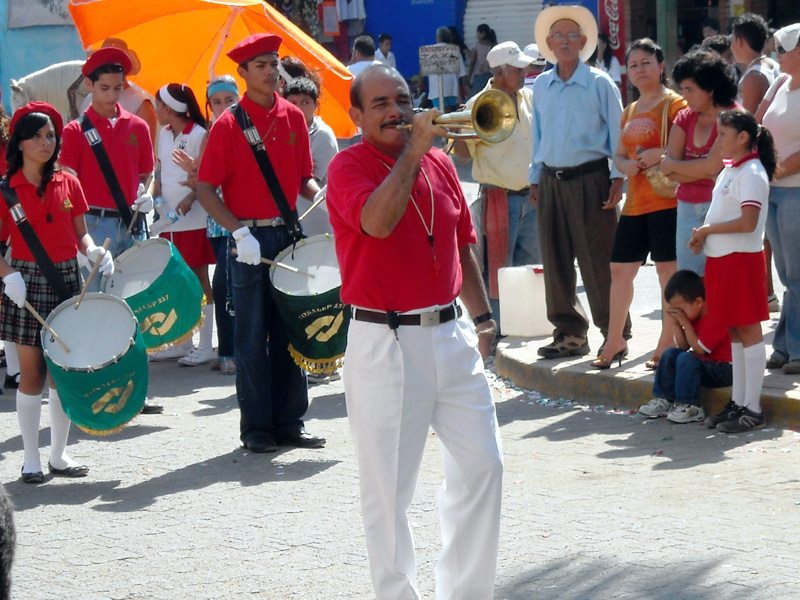
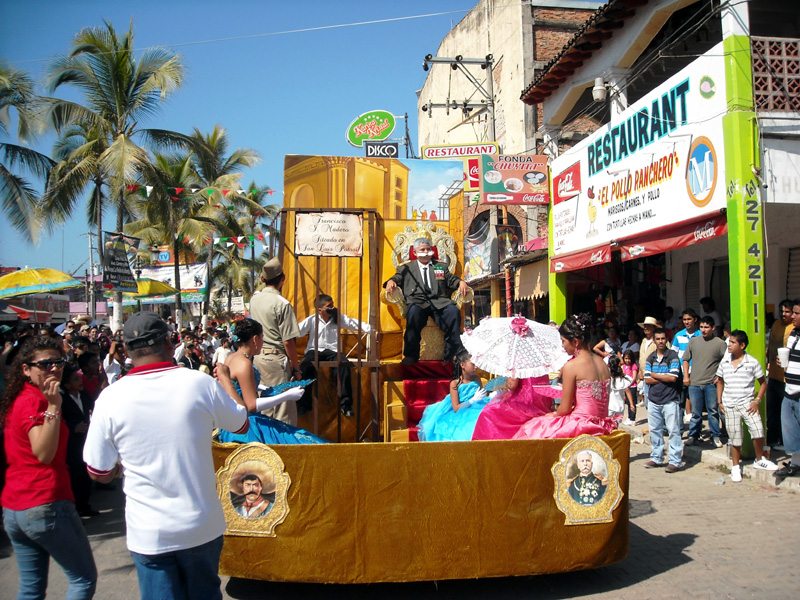
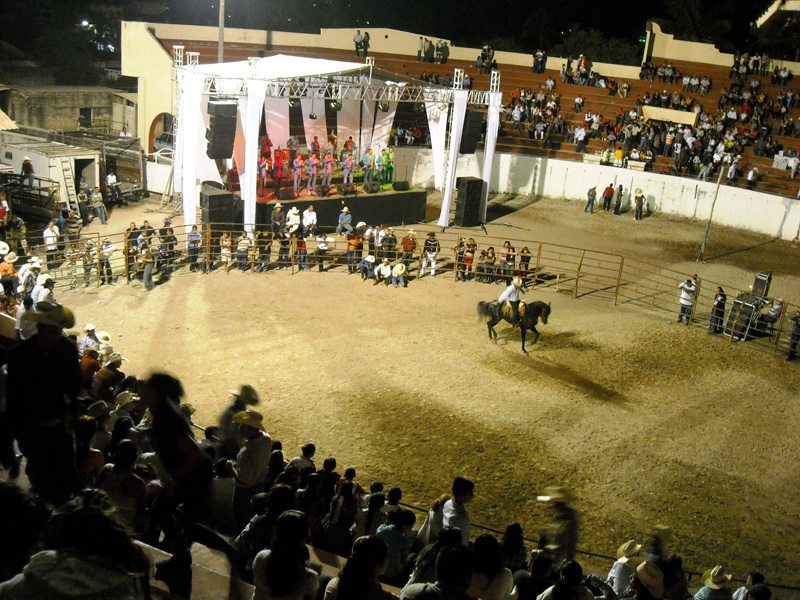
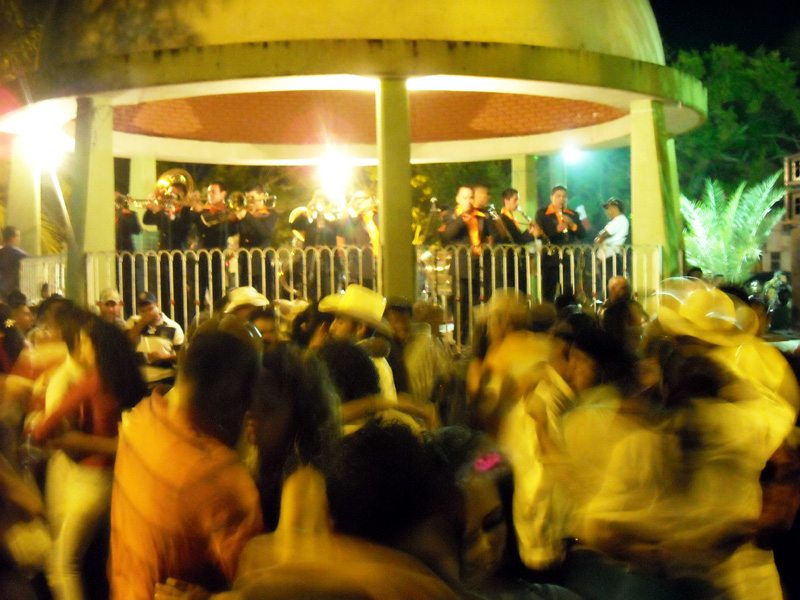
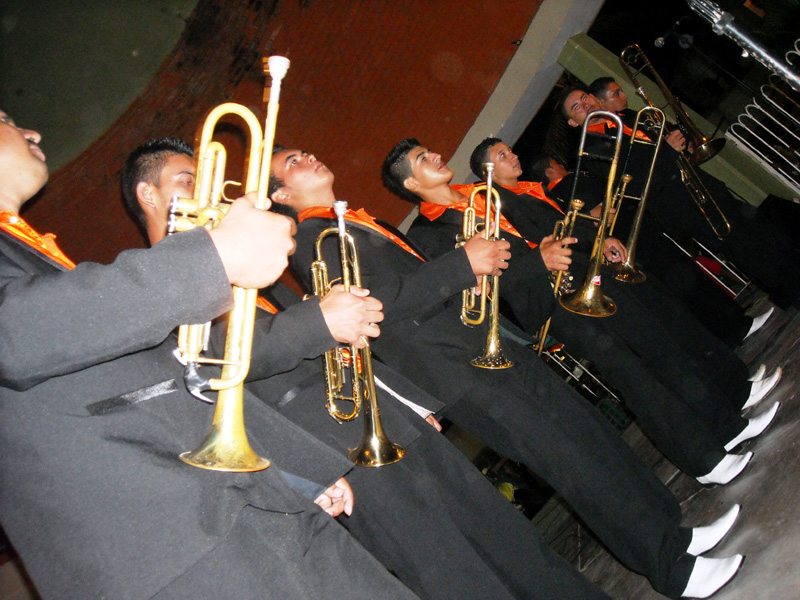
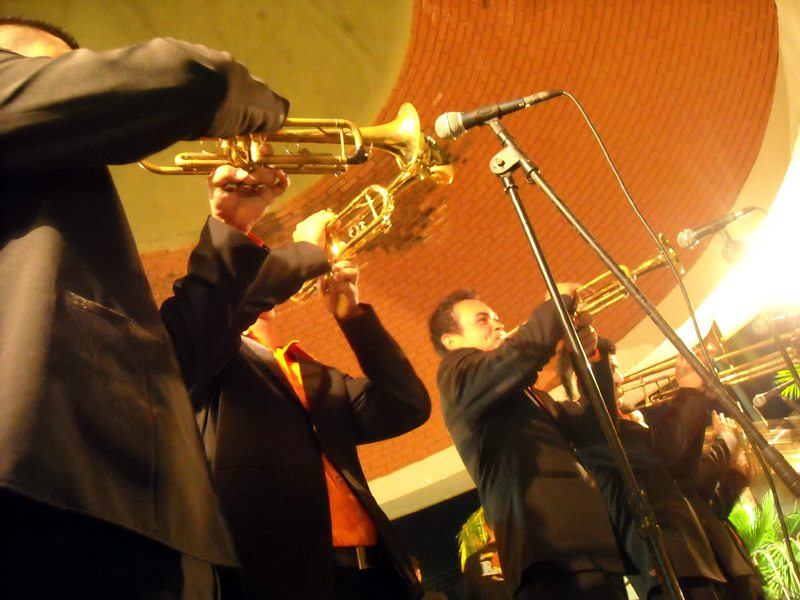
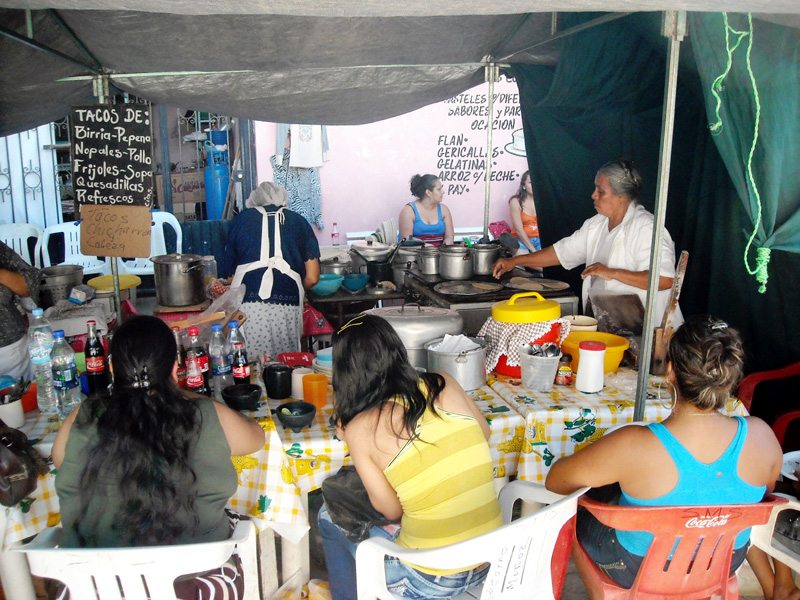
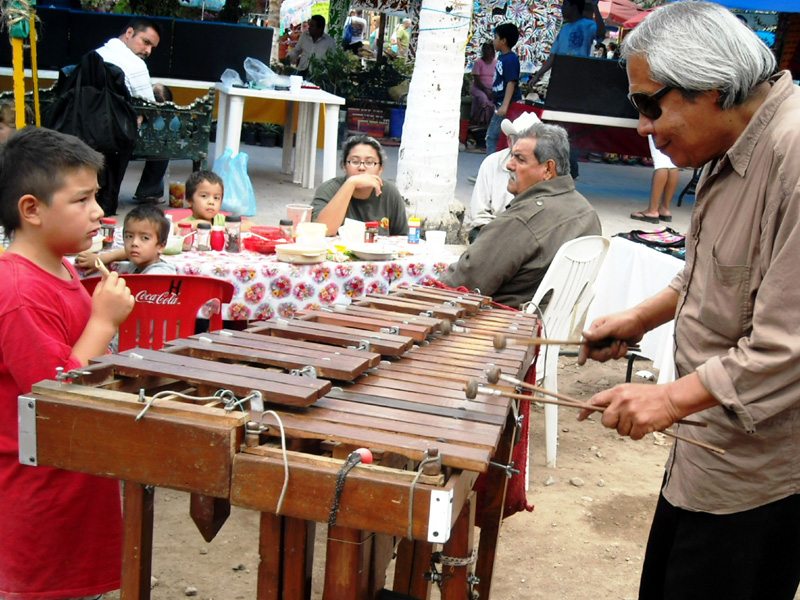
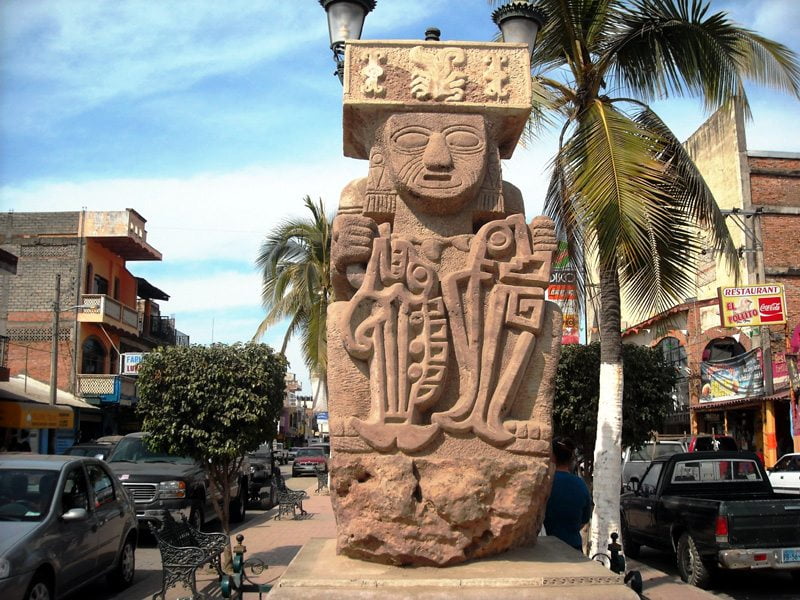
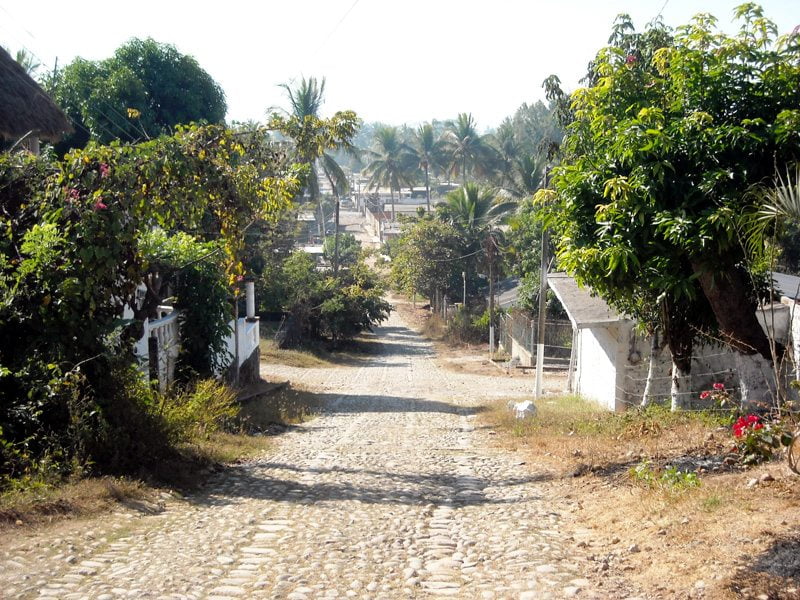
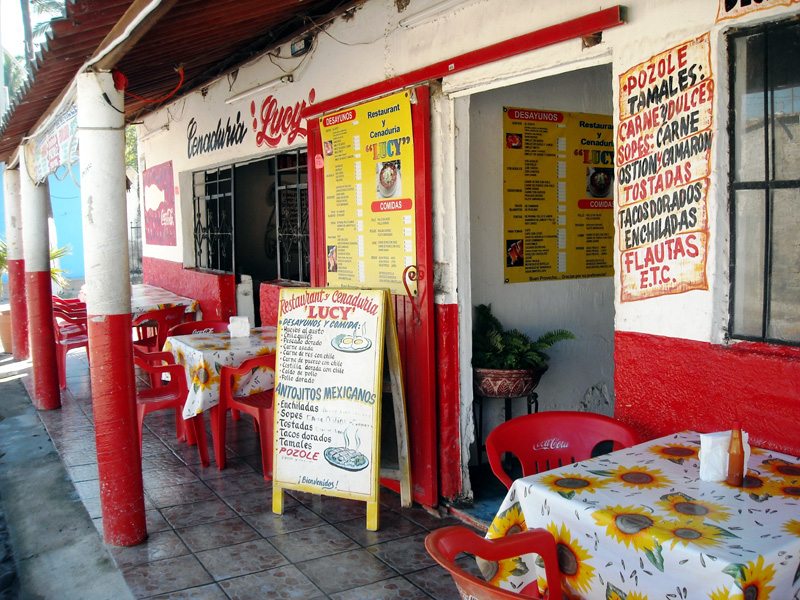
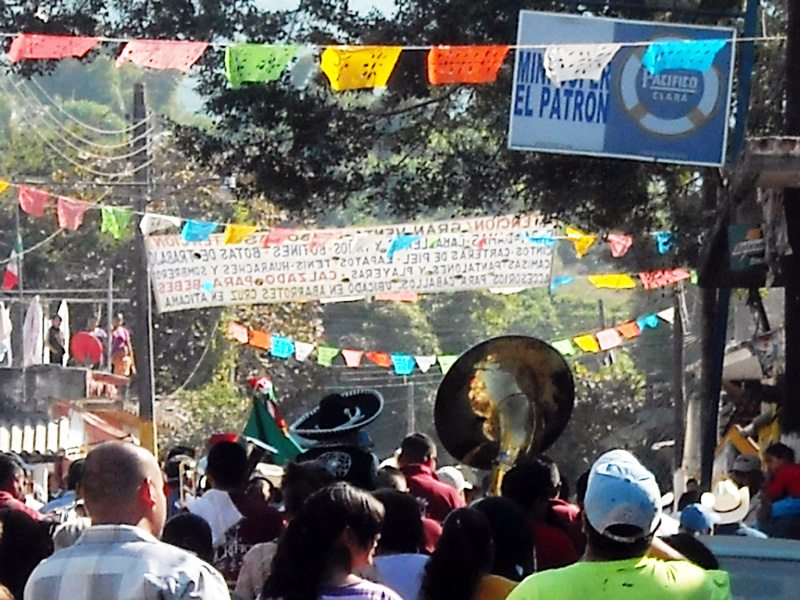
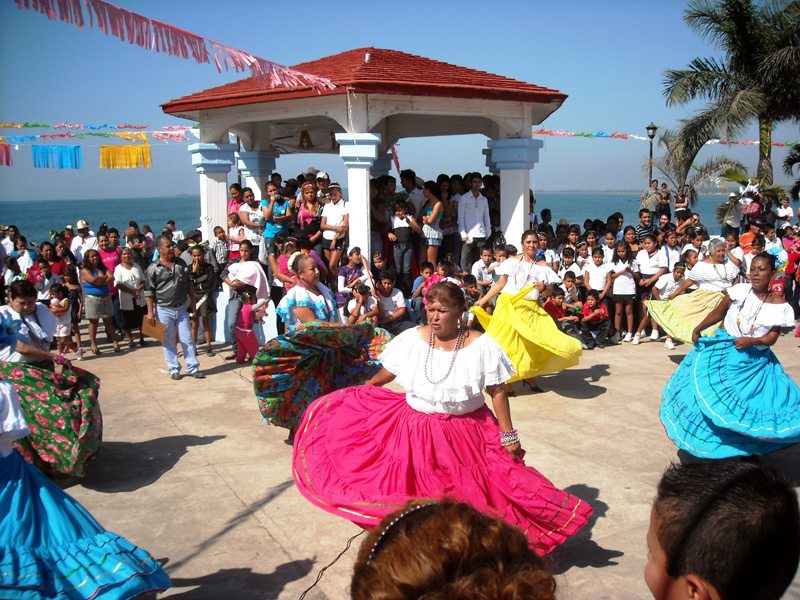
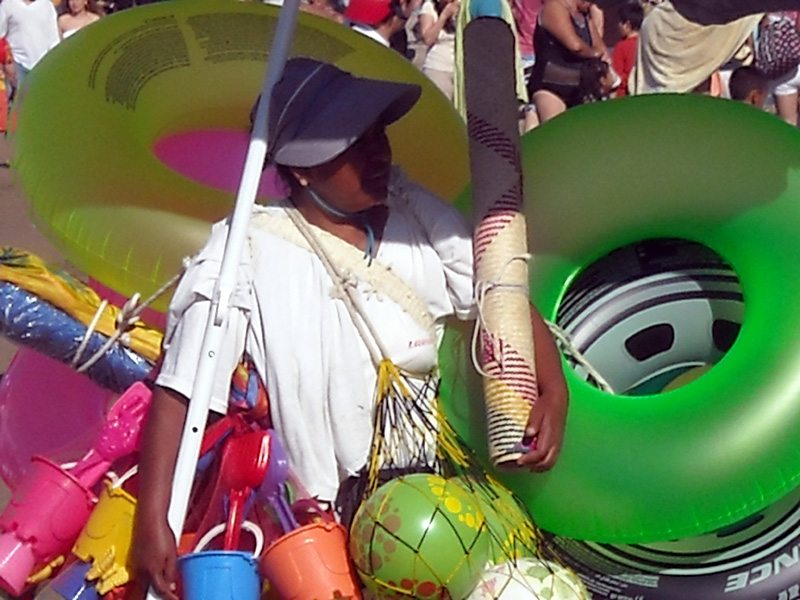
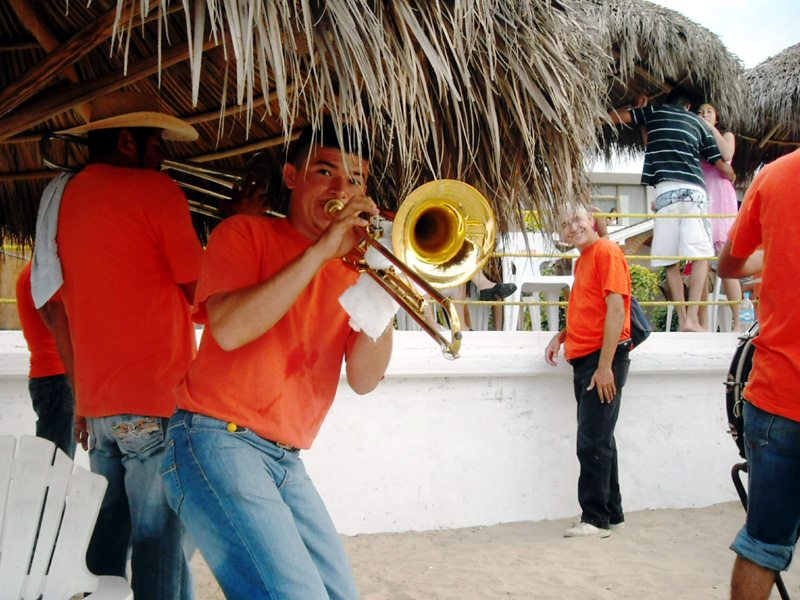
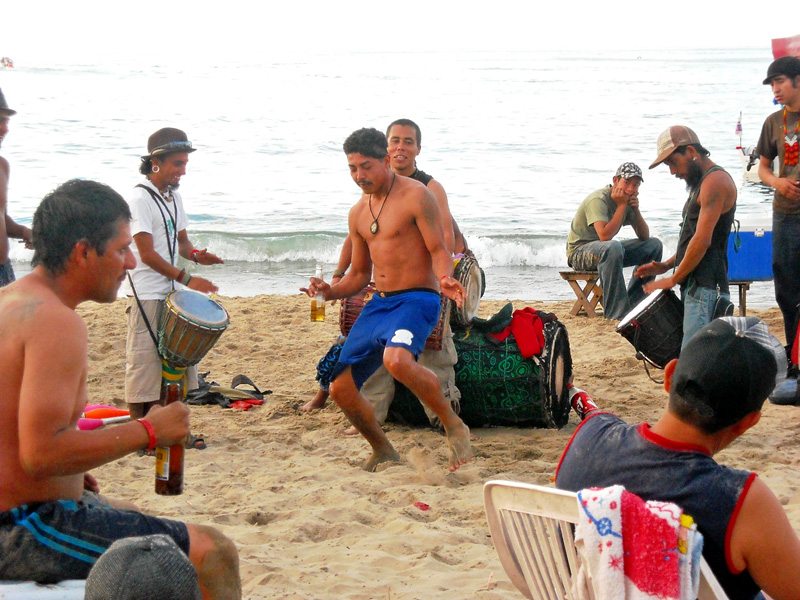
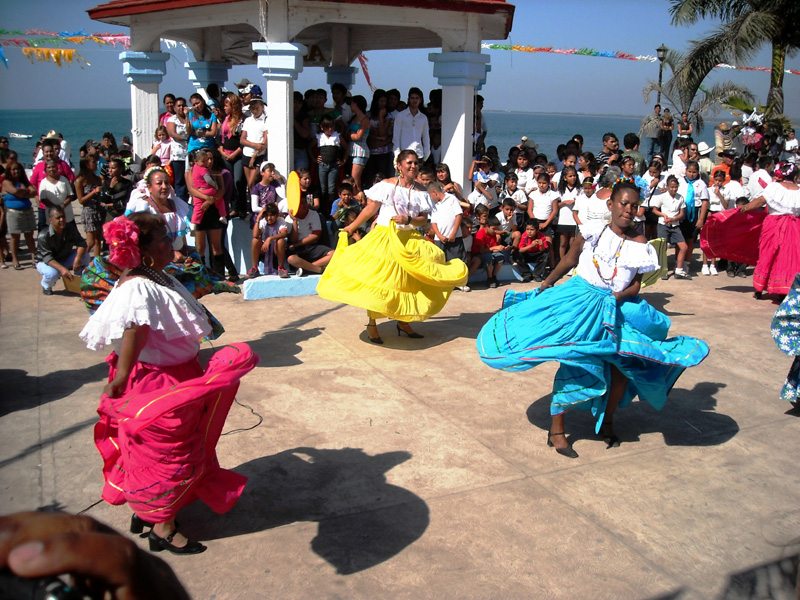
Photos are from Rincon de Guayabitos and La Peñita, neighboring communities on Jaltemba Bay, and from Aticama at the southern tip of Matanchen Bay.

Guayabitos is an old-style Mexican resort while La Peñita is more of a working Mexican town. Both communities host a sizeable influx of foreign visitors during winter, mostly Canadians escaping sub-Arctic temperatures in their homeland.

Aticama is a small oceanside community that feels a little like the “boonies” of paradise and is friendly and accommodating. A handful of Americans have built homes in the jungle above the town; there is no real tourist thing going on, and no taxi! Mexicans from all around Mexico arrive for the holidays, but it is rare to see any foreign tourists. There is a 6 km long beach where you and the dolphins (big!) swim together within a few fins distance.

The photos can best be seen by clicking the first one of the following gallery and then just click the right part of the photo to see the next one and so on. You can also easily navigate using the directional arrow buttons of the keyboard…

Most photos are from late 2010. All images Copyright 2011 Henry Kuntz Jr. All Rights Reserved.

The Beach at Guyabitos The Beach at Guyabitos

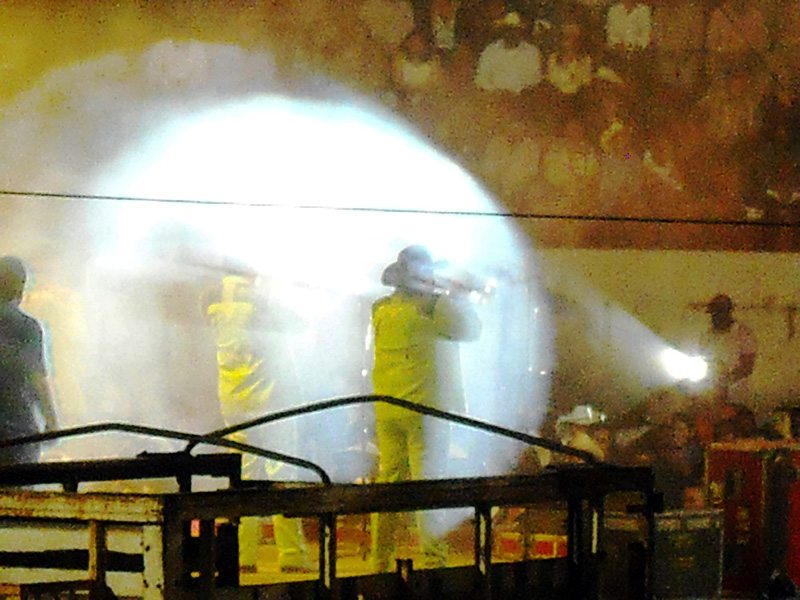
If you would like to see a 37-second video clip (music & bull riding) from the rodeo in La Peñita, you can view here:

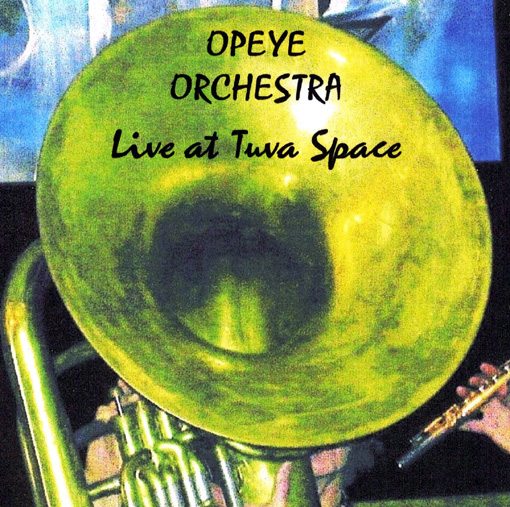
OPEYE ORCHESTRA LIVE at TUVA SPACE (HB CDR 5/6) & FREE DOWNLOAD

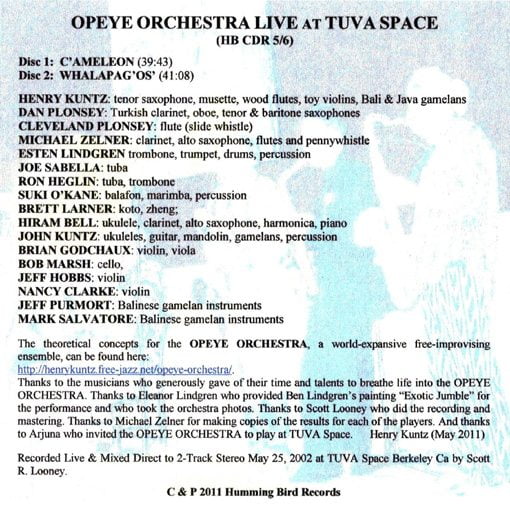
OPEYE ORCHESTRA LIVE at TUVA SPACE (HB CDR 5/6)

Disc 1: C’AMELEON (39:43) listen to an excerpt

Recorded Live & Mixed Direct to 2-Track Stereo May 25, 2002 at TUVA Space Berkeley Ca by Scott R. Looney.

C & P 2011 Humming Bird Records


Disc 2: WHALAPAG’OS’ (41:08) listen to an excerpt

Recorded Live & Mixed Direct to 2-Track Stereo May 25, 2002 at TUVA Space Berkeley Ca by Scott R. Looney.

C & P 2011 Humming Bird Records


HENRY KUNTZ: tenor saxophone, musette, wood flutes, toy violins, Bali & Java gamelans DAN PLONSEY: Turkish clarinet, oboe, tenor & baritone saxophones CLEVELAND PLONSEY: flute (slide whistle) MICHAEL ZELNER: clarinet, alto saxophone, flutes and pennywhistle ESTEN LINDGREN trombone, trumpet, drums, percussion JOE SABELLA: tuba RON HEGLIN: tuba, trombone SUKI O’KANE: balafon, marimba, percussion BRETT LARNER: koto, zheng; HIRAM BELL: ukulele, clarinet, alto saxophone, harmonica, piano JOHN KUNTZ: ukuleles, guitar, mandolin, gamelans, percussion BRIAN GODCHAUX: violin, viola BOB MARSH: cello, JEFF HOBBS: violin NANCY CLARKE: violin JEFF PURMORT: Balinese gamelan instruments MARK SALVATORE: Balinese gamelan instruments

The theoretical concepts for the OPEYE ORCHESTRA, a world-expansive free-improvising ensemble, can be found by clicking here:

Thanks to the musicians who generously gave of their time and talents to breathe life into the OPEYE ORCHESTRA. Thanks to Eleanor Lindgren who provided Ben Lindgren’s painting “Exotic Jumble” for the performance and who took the orchestra photos. Thanks to Scott Looney who did the recording and mastering. Thanks to Michael Zelner for making copies of the results for each of the players. And thanks to Arjuna who invited the OPEYE ORCHESTRA to play at TUVA Space. —
Henry Kuntz (May 2011)

Recorded Live & Mixed Direct to 2-Track Stereo May 25, 2002 at TUVA Space Berkeley Ca by Scott R. Looney.

C & P 2011 Humming Bird Records

Two Outrageous Sets of World-Expansive Free Improvised Music!

“Along with expanding the range of instruments available for improvisation in a cultural sense, (OPEYE has) been working to expand the formal bounds of improvisation itself. As a group, we have been consciously moving away from what I think of as a lowest common denominator approach to the ways players relate to each other in an improvisational setting. That is, we are not attempting to coalesce musically around some lowest common denominator note, scale, melody, rhythm, or whatever. Rather, we are attempting to bring to collective improvisation the formal complexity of a string quartet, wherein each player’s role is a complete role, perhaps even able to stand alone, yet at the same time absolutely essential to the group music…

“The OPEYE ORCHESTRA is a first experiment to find out how well this approach can work with a larger ensemble. It is, in a sense, a social as well as musical experiment since it explores the maximum freedom that individuals may attain within a group while still maintaining the cohesion of the group.”

– From “The Theoretical Framework for the OPEYE Orchestra” – Henry Kuntz (May 2002)

Buy OPEYE ORCHESTRA LIVE at TUVA SPACE (HB CDR 5/6) Double CD here…

Free – Download

This download consists of one zip file containing the complete track list in 192kbps MP3 format along with album art in high resolution JPG format. Please click the following link: Opeye Orchestra Live at Tuva Space | FREE DOWNLOAD

Henry Kuntz | Sonic Flares | Humming Bird Records CDR 4 & FREE DOWNLOAD

Free MP3 Download Available

CLICK  HERE FOR THE HENRY KUNTZ – SONIC FLARES – FREE DOWNLOAD

This download consists of one 54,2 MB zip file containing the complete track list in 192kbps MP3 format along with album art in high resolution JPG format.

Henry Kuntz| SONIC FLARES

1. SONIC FLARES (19:11) Solo Tenor Saxophone

Recorded Live at Beanbenders, Berkeley, Ca October 4,1998 DAT Recording & CD Master Suki O’Kane/ZOKA

listen to Henry Kuntz | Sonic Flares (4 minutes excerpt)

2. 6 TRACK ANGELS (20:12) Balinese Gamelan (Gender, 10 keys) and Gamelan Selunding (Two 4-key instruments), Javanese Gamelan Pelog (Saron, 7 keys) and Slendro (Saron, 9 keys), Chinese Musette, Drums & Percussion

listen to Henry Kuntz | 6 Track Angels (4 minutes excerpt)

Multi-Track Recording by Henry Kuntz July 16,17,1995.  Re-Mastered 2007 for Release on “Speed of Culture Light”. Cassette Box, Dreamtime Tapes Digital. Transfer by Michael Zelner. C & P Humming Bird Records 2011 – Humming Bird CDR 4. Henry Kuntz Sax & Stories.

6-Track Angels includes instruments from two types of Balinese and two types of Javanese orchestras, each one with its own scale and idiosyncratic tuning. Normally, these instruments would never be heard together – unless one happened upon a festival at which two or more ensembles were playing together coincidentally in conjoined physical space.

As always when using these instruments, I ignored the scale and tuning differences between them to allow for an expanded sound range and an overlapping of divergent tonal occurrences.

To the four Indonesian instruments, I added Chinese musette, drums and percussion – played with sonic and formal allusions to Thai classical music. In Thai music, it is not uncommon for instrumentalists to concurrently pursue singular expressive visions within a collectively unified ensemble.

Buy Henry Kuntz – Sonic Flares – Humming Bird – CRD4 here…

We find two works by Kuntz on this new release.

The title piece ‘Sonic Flares’ is for solo saxophone, recorded in 1998. During the 20 minutes of this solo Kuntz kept my full attention. I experienced emotional depth, humor, expressive and communicative playing. Great piece from a very advanced player! The other track on this CDR is ’6 Track Angels’, is of another nature. It is a fascinating piece that came about by multi tracking. It has Kuntz playing on a wide range of eastern instruments. Originally recorded in 1995, Kuntz re-mastered it in 2007 and now it is here on cdr. Concerning the instrumentation let me quote Kuntz. The piece “includes instruments from two types of Balinese and two types of Javanese orchestras, each one with its own scale and idiosyncratic tuning… To the four Indonesian instruments, I added Chinese musette, drums and percussion – played with sonic and formal allusions to Thai classical music.” The music makes the impression of a swirling complexity. Seemingly individual sounds swirl down into your ears. As if they happen to make up a harmonic whole by accident. In the background we hear Kuntz improvising on some wind instrument. Improvised and multilayered music in Eastern tonalities. Another intriguing piece! — Vital Weekly 784(DM)

Evan Parker and Joel Ryan | Other Planes of Here

Other Planes of Here

Reflections on a Performance by Evan Parker, soprano saxophone, and Joel Ryan, electronics processing, at Mills College, Oakland, California, October 9, 2010

Evan Parker

Joel Ryan

Evan Parker’s longtime association with players of electronics is well known and documented, from his work with the Music Improvisation Company in 1969-70 to his playing with his current Electro Acoustic Ensemble. Yet his one-on-one collaborations with electronics sound processors have been few, with minimal recordings.

The earliest recording, Hall of Mirrors (MM&T 01) with Walter Prati, dates from 1990, while the most recent recordings – Solar Wind (Touch TO 35) with Lawrence Casserley, Dividuality (Maya) with a short duo track with Casserley, and Live at Les Instant Chavires (Leo LR 255) with a long opening track with Joel Ryan – date from 1997, more than a dozen years ago. (1)

So Parker’s appearance at Mills with longtime collaborator Ryan was a rare opportunity to hear him playing in this context.

Evan Parker at St Peters Whistable | Photo by Caroline Forbes

Parker’s solo soprano saxophone music, of course, has likewise been well documented, and if you’ve heard any recent recordings – say Lines Burnt in Light (psi 01.01) from 2001, or Whitstable Solo (psi 10.01) from 2008– you’ll know that his solo music continues to expand in ease of virtuosity and in its astonishing multi-layered complexity. Parker’s single saxophone is in his hands a multiple-line instrument.

So what could possibly be added to Parker’s music by electronic means that is not already there? Certainly not complexity in itself, but perhaps a different kind of complexity, one based on extensions of sonic language unattainable through even the most virtuosic advances in saxophone artistry.

Of the early collaborations, all of which are interesting, Lawrence Casserley’s recording with Evan Parker, Solar Wind, is easily the most rarified and sophisticated. While Parker’s playing is central to the music’s realization, his physical sound is mostly audibly “hidden” in the recorded results. At the same time, it is being bent, stretched, looped, twisted, speeded, slowed, elongated, re-shaped, re-pitched, re-layered, and re-imagined by Casserley.

In a 1997 interview with Martin Davidson (2), Parker relates how he initially turned to free improvisation in an attempt to create a “music of the future” for a friend’s sci-fi film – then brought that “futuristic” impulse into his own playing in present time. Perhaps it is a similar impulse that is driving these types of electronic alliances.

At Mills, the stage was set with Parker, soprano, and stereo microphone on the right; on the left, Ryan behind a table with 2 Apple laptops that sandwiched some discreet electronic gear, all linked together by a maze of wires that flowed off the table onto the floor. The processed sound was sent to giant overhead speakers that were suspended in the air on each side of the performance space.

Joel Ryan | Photo by Caroline Forbes

In program notes for the performance, Ryan explains how he views his role:

“Imagining emusic as the direct manipulation of sound in the present moment. The desire was to learn to play with electronics in a way that could be included in the music of virtuoso acoustic players, in adapting representations of vibration and turbulence to musical acoustics, i.e. getting some air into the model. Mostly this involved a collaboration with a particular soloist to create a virtual instrument that they then both play….It is both a way that an e-player can influence the motions in the air and a way that a musician valving air can induce a music of electrons.”

How did the collaboration work and what did it sound like?

In truth, it began slowly and a little off kilter. Parker’s playing quickly filled the room and took the ear; the processed sound, mostly low blob-like entities, felt muddled and superfluous to the nimble soprano.

But things got better. With Ryan’s coaxing, the sonic balance improved and the music became more varied and interesting. The genies were released from Parker’s horn, and a pair of four and twenty blackbirds flapped furiously out. Large and small playful and mischievous spirits darted in myriad directions throughout the space – taunting, interacting with, and ignoring each other – and little high-pitched sounds danced in my ears, independent of the sounds being produced on stage. At times, if I closed my eyes, I would only “know” where Parker was because I had previously “seen” him there. But his freed saxophone ghosts were flying about, courtesy of Joel Ryan.

In the end, it was a mesmerizing and highly experiential performance rather than one emotionally engaging in any dramatic sense.

Did it reach the heights that Parker and Casserley achieved in 1997? I can’t say it went beyond the sonic language of the earlier music, though the sound was sometimes denser and more layered, but there were certainly moments of brilliance and, without question, of comparable artistry.

Henry Kuntz, October 2010

  • (1) There is also a 2004 release by Joel Ryan Or Air (psi 04.08), on which he creates electronic variations on the music of Evan Parker but without Parker himself being present. I haven’t heard this music.
  • (2) Martin Davidson’s interview with Evan Parker can be accessed on Parker’s page at the European Free Improvisation Home. Please click here… to read the complete interview.
Joel Ryan and Evan Parker from STEIM Amsterdam on Vimeo.

PLEASE NOTE that it is from 2008, so it doesn’t seem like a video of the performance under review…