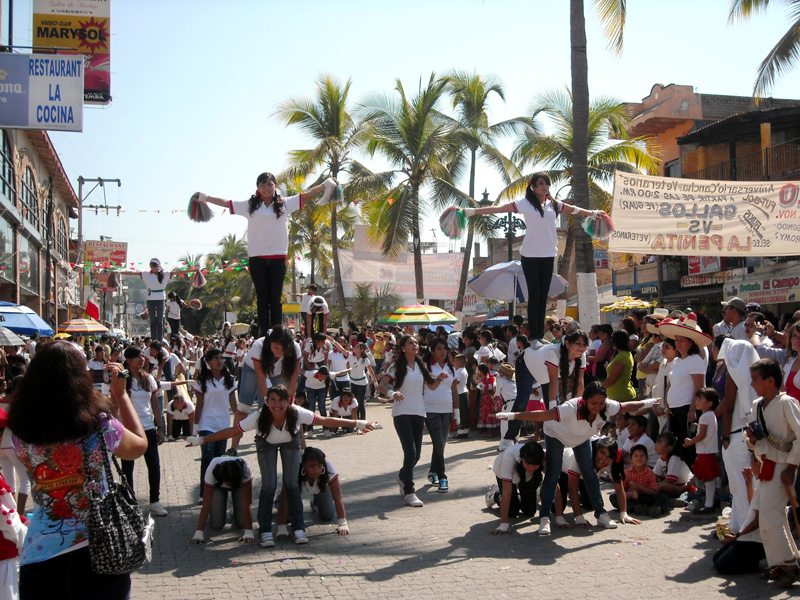
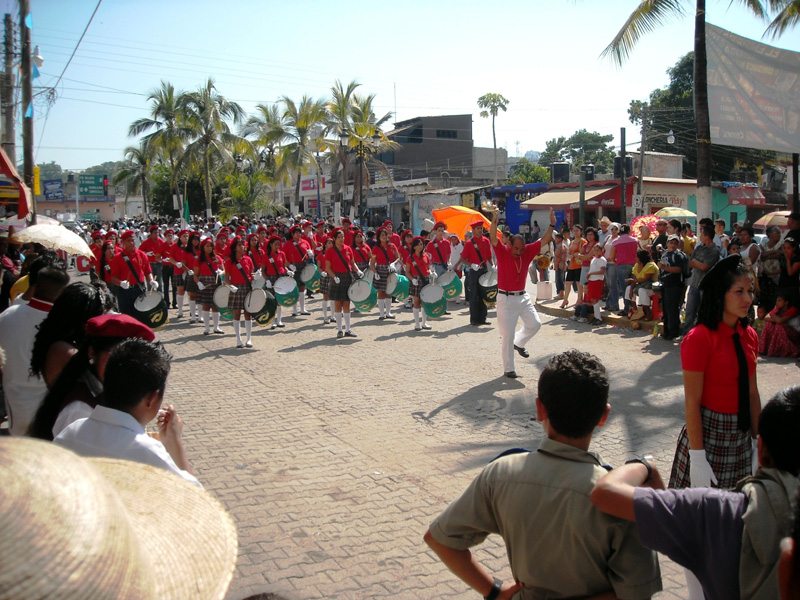
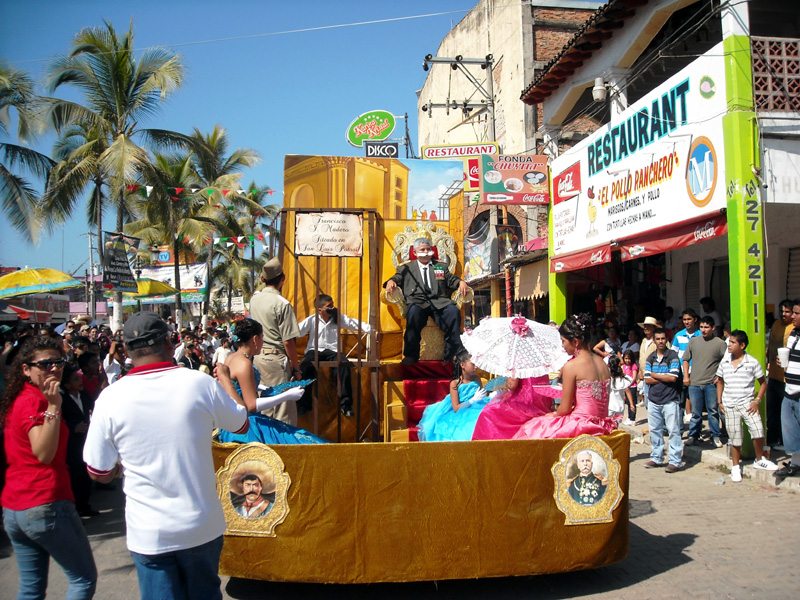
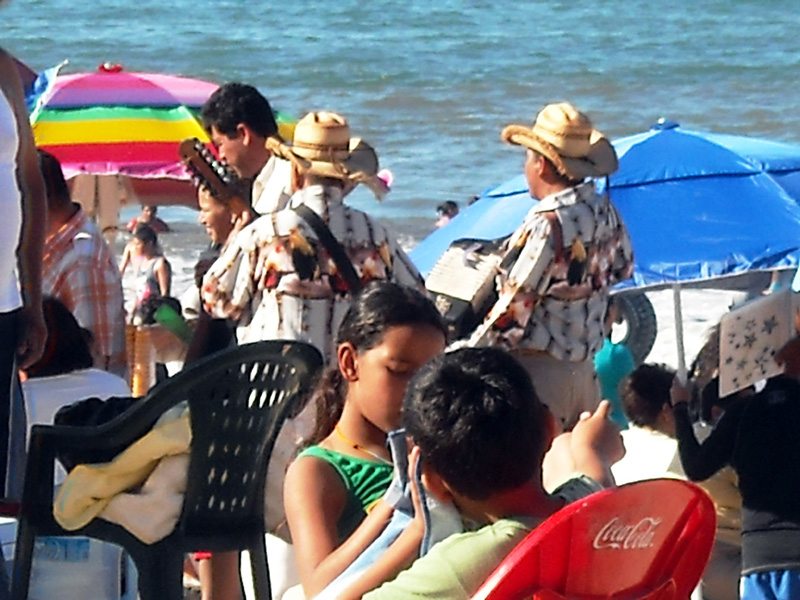
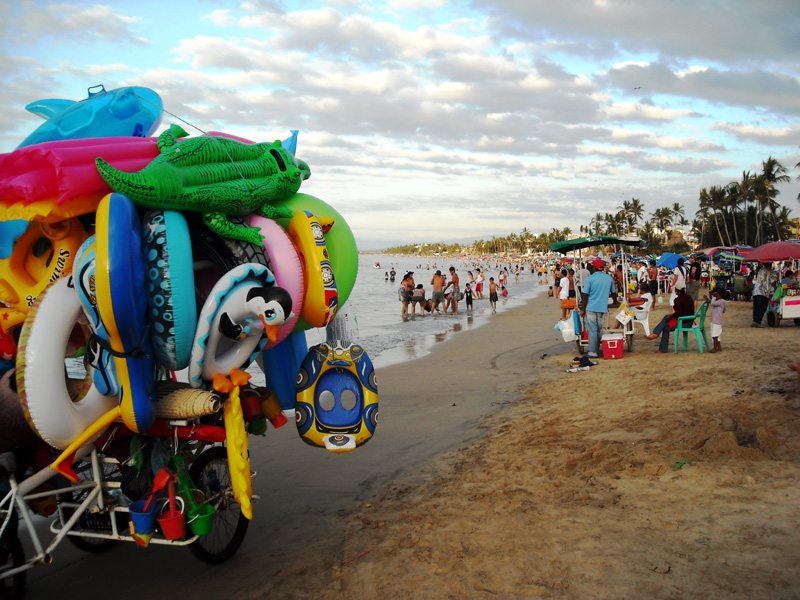
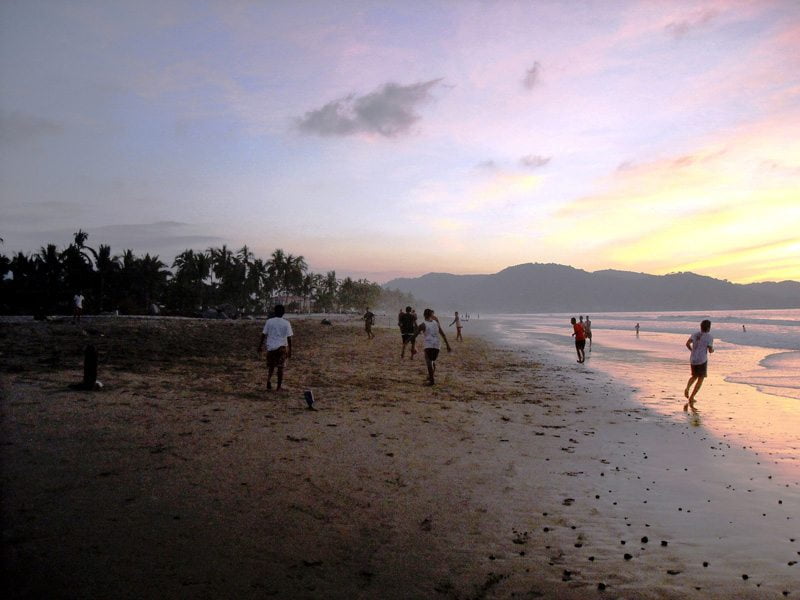
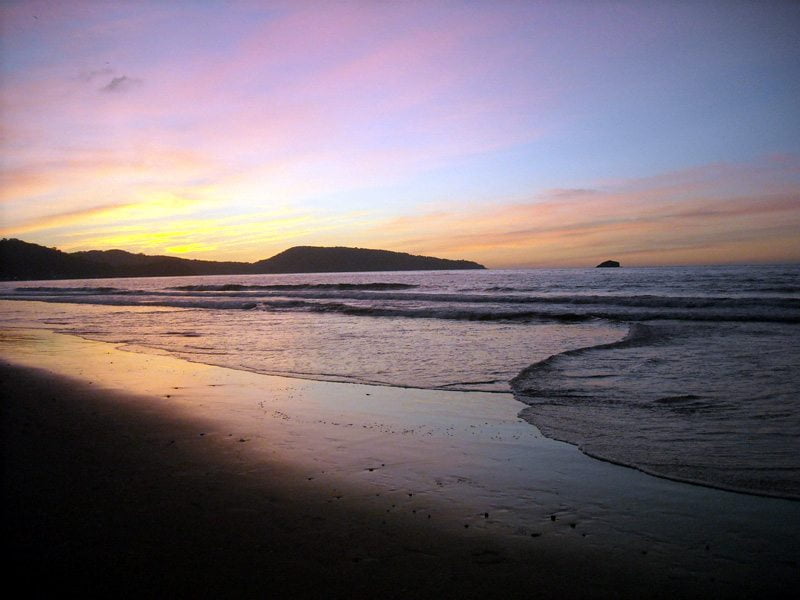
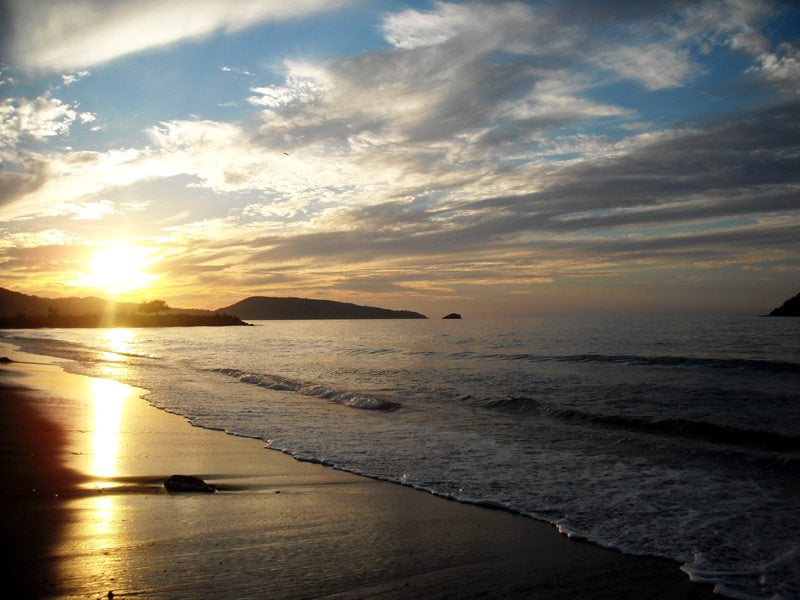
Jaltemba Daze

Jaltemba Daze

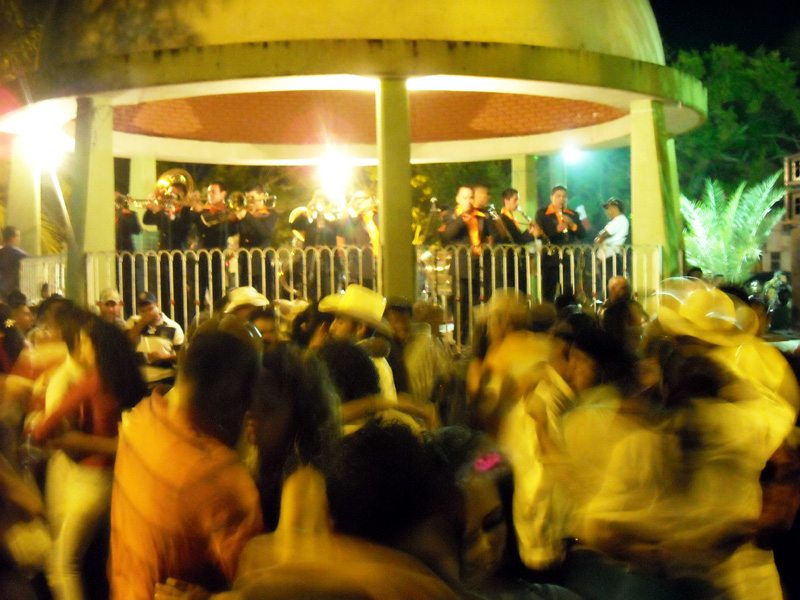
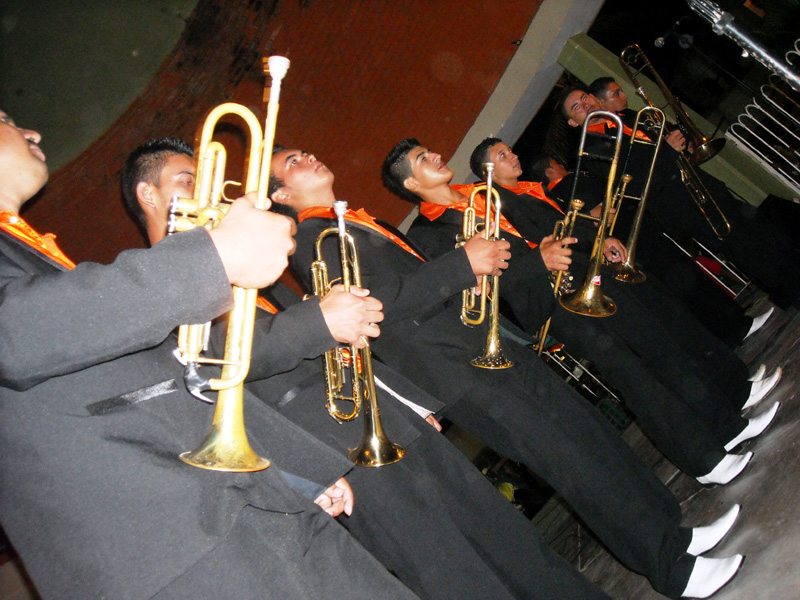
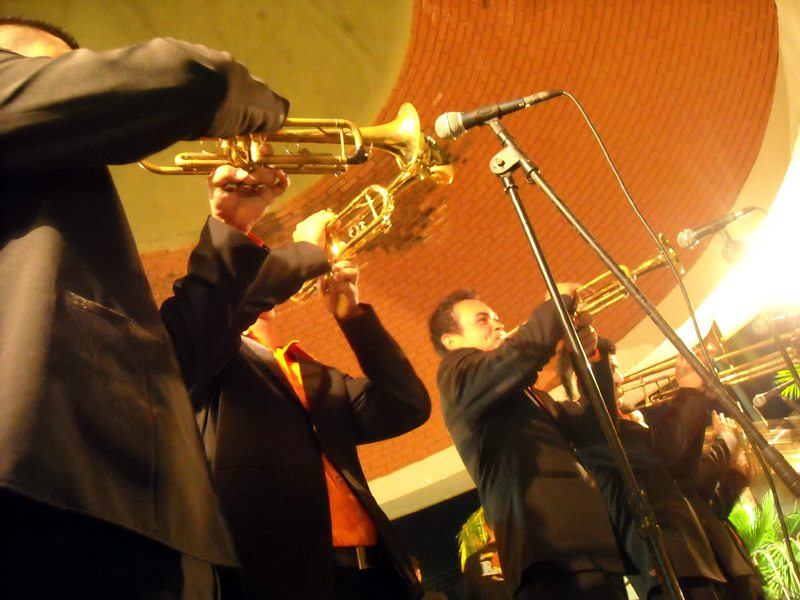
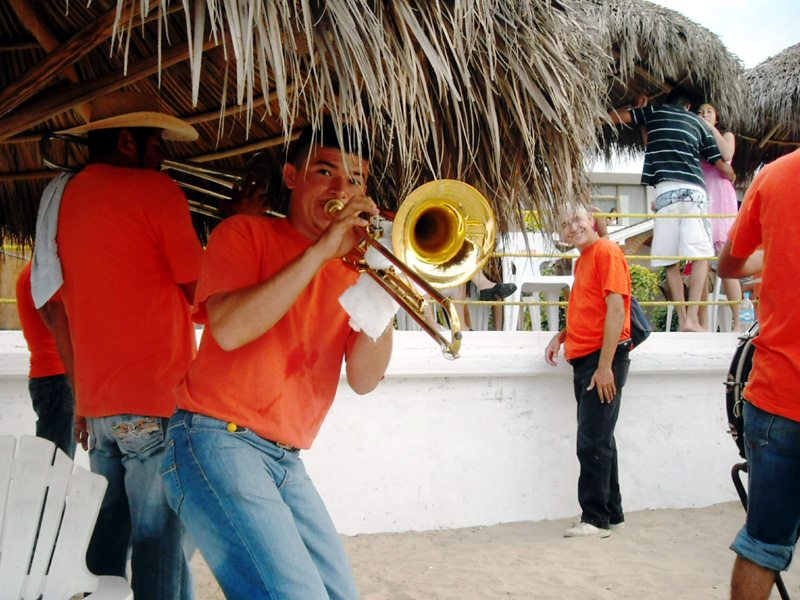
Bright trumpets scream
through steamy ocean mists
sandy midday heat.
Fat tuba bellows
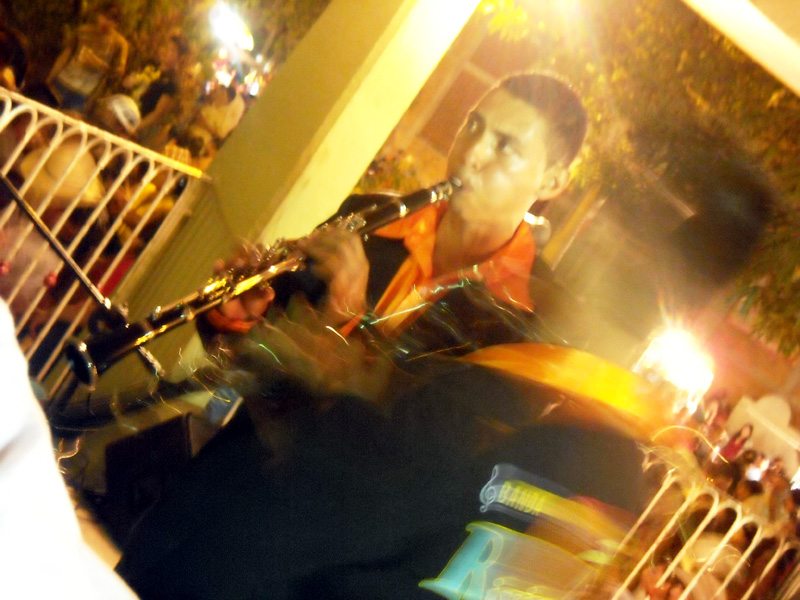
beneath clarinets’ bird-pitched squeals
some golden molten trombone sass.
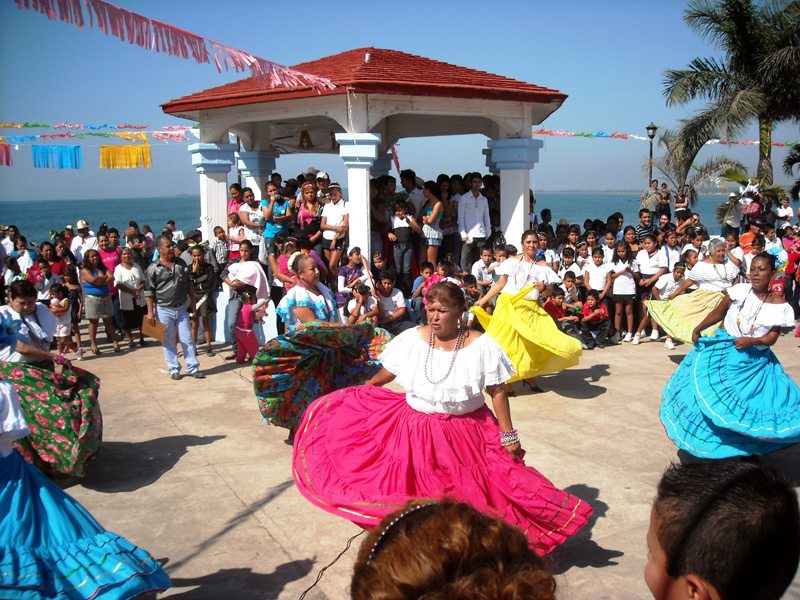
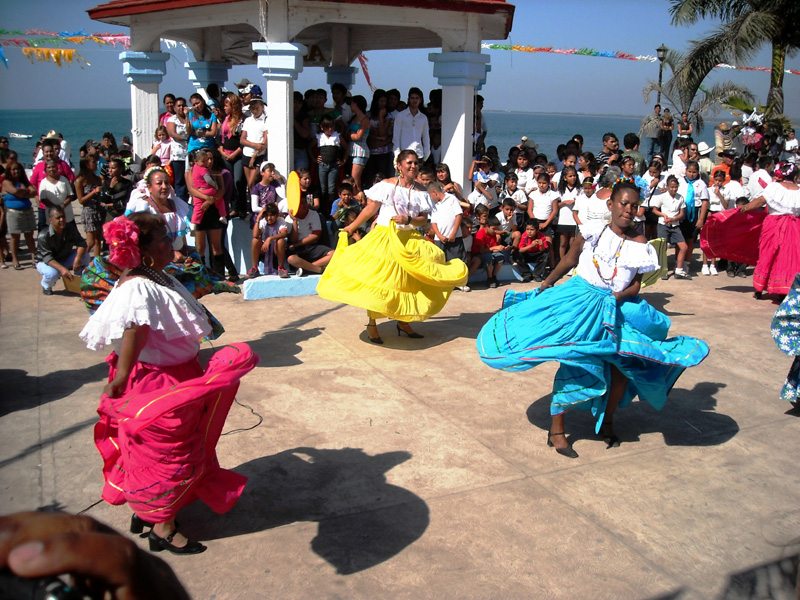
Dancers male and female
old and young
drunk and sober
shake and twist in the tented shade
raising sea dust plumes.

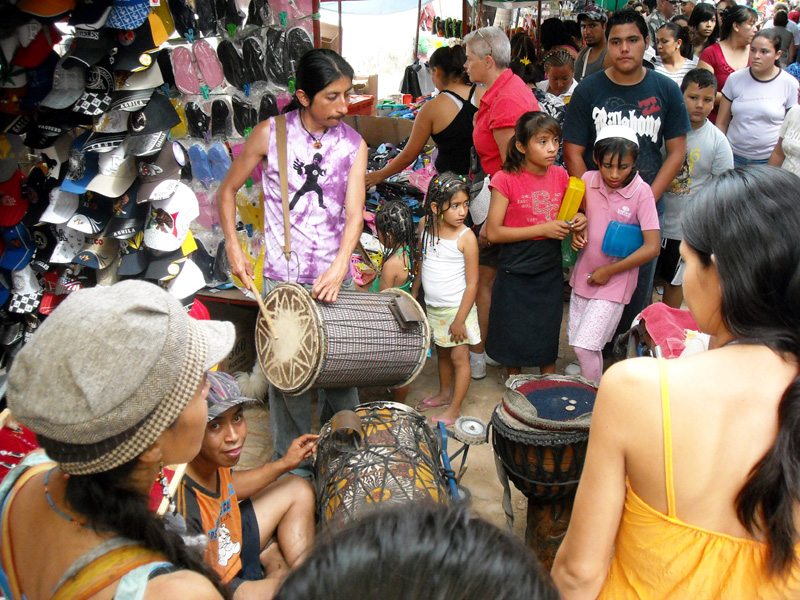
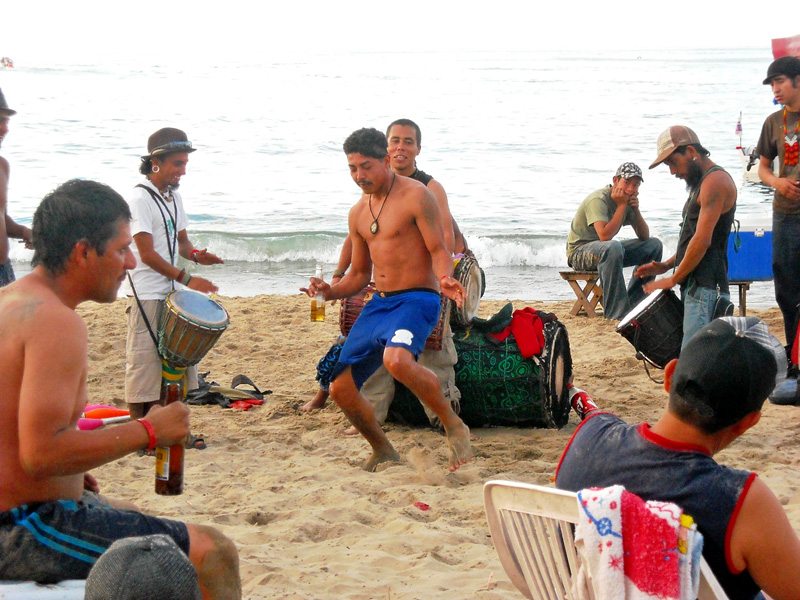
Quick Afro-Mex beats
drums and drums and
booming bass drum and
crashing cymbals and falling coconuts
pulsate the cumpleaños.

The Pacific pounds
roars and sparkles in
ever widening waves of cerveza foam
come to overtake the fiesta.

Beautiful and indifferent,
the Girl from Ipanema
wafts languidly by
under Canadian eyes, American sighs
a strummy guitar, samba rattles,
and slaps from an African
slave box drum.

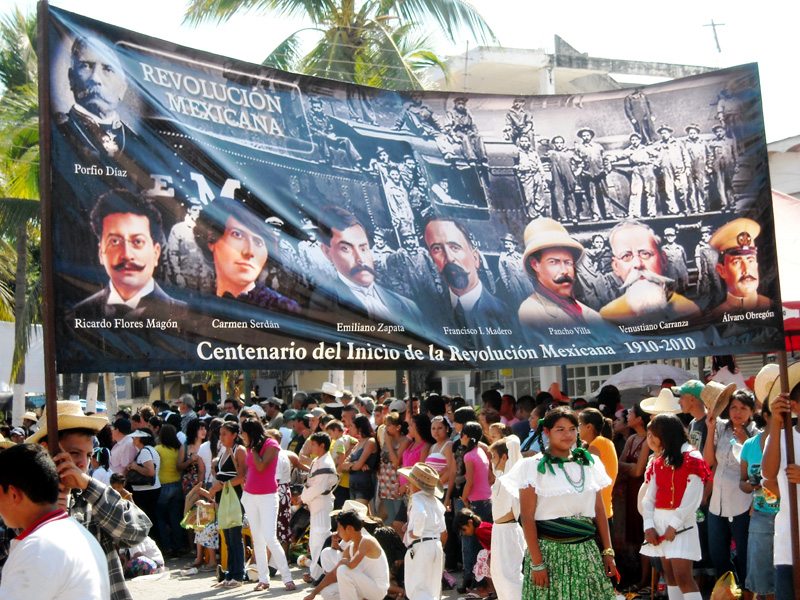
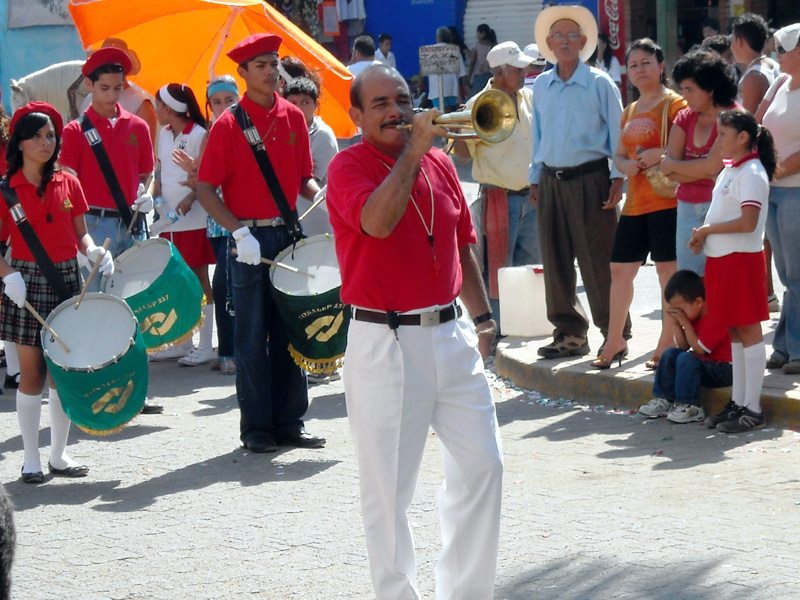
An ancient Indio from Oaxaca
in white under
a big brimmed cone straw hat
left over from the Revolution
marches into the midst.
His left hand’s bugle blares a primal ritual tune
his right keeps the old time
on a slack snare drum
slung from his neck.
The young barefoot one
his granddaughter
collects silver and gold.

El festival!
Incoherent crowds of
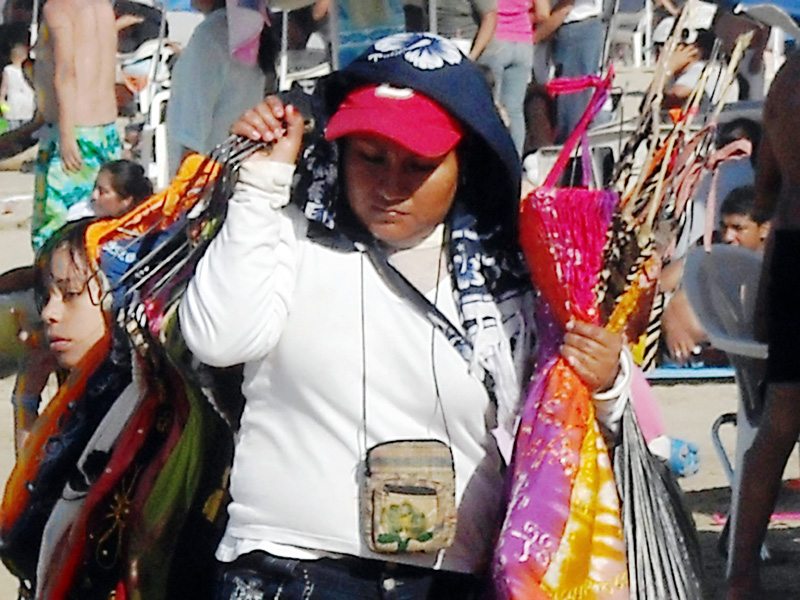
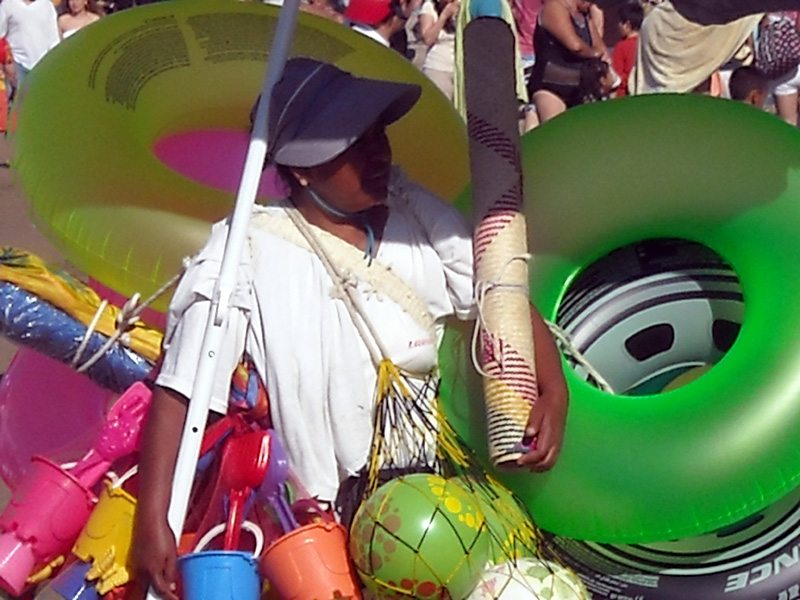
hawkers gawkers
bathers and sea bunglers
slip through
cacophonous shimmering
polka-dots of rainbow sombrillas
pursued by hot aromas of
smoked fish garlic shrimp and
the shrill cries of
swooping sea birds.

Parties within parties within parties
and one grand party
muchas canciones
on the shores of Jaltemba…

Evan Parker ElectroAcoustic Septet: Seven

Evan Parker ElectroAcoustic Septet: Seven

Evan Parker ElectroAcoustic Septet: Seven

Seven (Victo CD 127)

Peter Evans / trompette piccolo, trompette, Okkyung Lee / violoncelle,  George Lewis / électroniques, trombone, Ikue Mori / électroniques, Sam Pluta / électroniques, Ned Rothenberg / clarinette basse, clarinette, shakuhachi, Evan Parker / saxophone soprano.
Recorded: Live at the 30th Festival International de Musique Actuelle de Victoriaville May 18th, 2014.

Seven presents a compact, slimmed down, lean version of Evan Parker’s Electro-Acoustic Ensemble. The expansive, texturally rich music of the septet brings to mind the edgy feel of early free improvisation.

Parker’s compositional method is simple:

“My art of composition consists in choosing the right people and asking them to improvise. The resulting music arises from this sequence of decisions.
My art of composition consists in choosing the right people and these are the right people”

Of course, it is not quite so simple; for choosing the “right people” entails a knowledge of who those people are and what they might bring to the improvisational discourse.

In this case, two of the acoustic instrumentalists – Rothenberg and Evans – are players who, in forging their own identities, have fully entered into Parker’s own mind-bending, circularly-probing musical methodology.

Evan Parker ElectroAcoustic Septet: Seven

The four electronics players (with Lewis doubling sparingly but incisively on trombone) approach the electro-acoustic gathering differently than the way players normally do in Parker’s large ElectroAcoustic Ensembles. While in those ensembles, the electronic players have been mainly signal or sound processors who primarily reshape and remold sounds of other ensemble members, here the electro musicians do that only moderately. Through varied technical means, they emit a distinctive particulated sound field that exists as an interactive but dimensional counterpoint to the acoustic instrumental output.

Much of the edginess of Seven stems directly from this. For while the performance (in two parts) has the feel of a true organically-arrived-at ensemble music, the respective acoustic and electro players – due to the entirely different manners in which they are producing sounds – follow different “logical” trajectories. The two “logics” together in the one musical space create a good deal of the music’s inner tension.

Evan Parker ElectroAcoustic Septet: Seven

It is worth noting that in early free improvisation – say from the period of Topography of the Lungs (Incus 1, July 1970) onward – much of the tension in the music – which is the push-and-pull between known and unknown, cohesion and dissolution – was due to the players’ courageous ongoing expansion of instrumental language. But players have pushed language to its virtual tipping point; so that what once sounded outrageous and demanding of innovative responses is now heard as commonplace. So presently, it seems, formal expansions – such as we hear in the collusion of logic differentials in this music – may be more the way forward.

To be sure, both the acoustic and electro musicians of Seven are at the top of their games. While there is an overarching dramatic contour to the music – it rises and falls, opens and closes, shifts densities – the whole unfolds with unselfconscious effortlessness; it feels unscripted and of the moment.

Evan Parker ElectroAcoustic Septet: Seven

The acoustic players, while sensitive to each other, pursue the inner and outer ranges of their instruments with an independence tempered only by self-imposed structural imperatives. Evans’ trumpet frequently masks itself in electronic-sounding metallic and breathy slurs. Lee’s stringy cello pulls and tugs at the direction of the ensemble or gets lost in staccato electro barrages. Rothenberg opens and ends the long first piece on shakuhachi which, in the midst of atmospheric electro rumblings, might pass for music from a Japanese sci-fi samurai film. And Parker – always a sympathetic co-conspirator – lends full support to his musical compatriots on his most agile instrument, the soprano saxophone, which he alternately rides to levels approaching the complexity of his solo music.

The electro players for their part – I am unable to differentiate between them individually – counter the acoustic sounds with otherworldly smears, stutters, sloshes, and scribbles; or explosively pointillistic sparks, crackles, gurgles, and prickly static.

It all adds up to exceptionally stimulating music for the listener, at the center of which is an edginess we’ve long associated with classically great free improvisation.

Henry Kuntz – June 2015

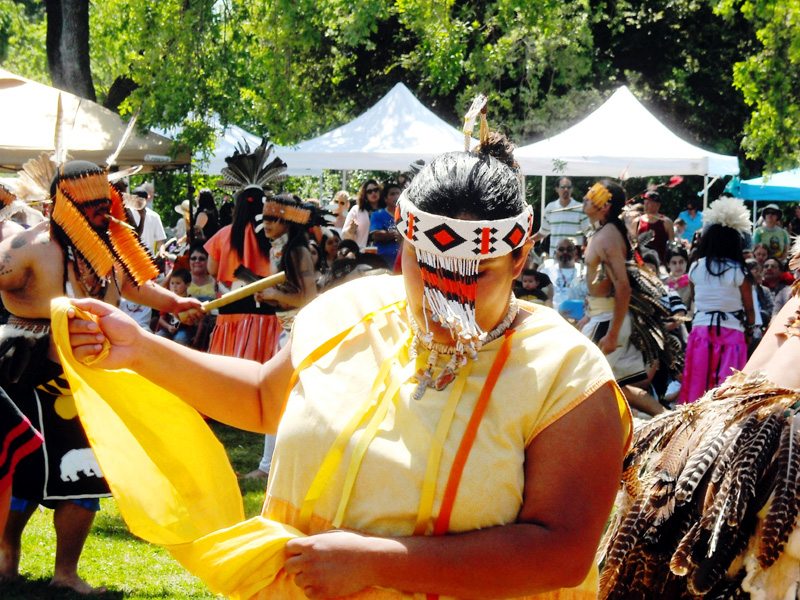
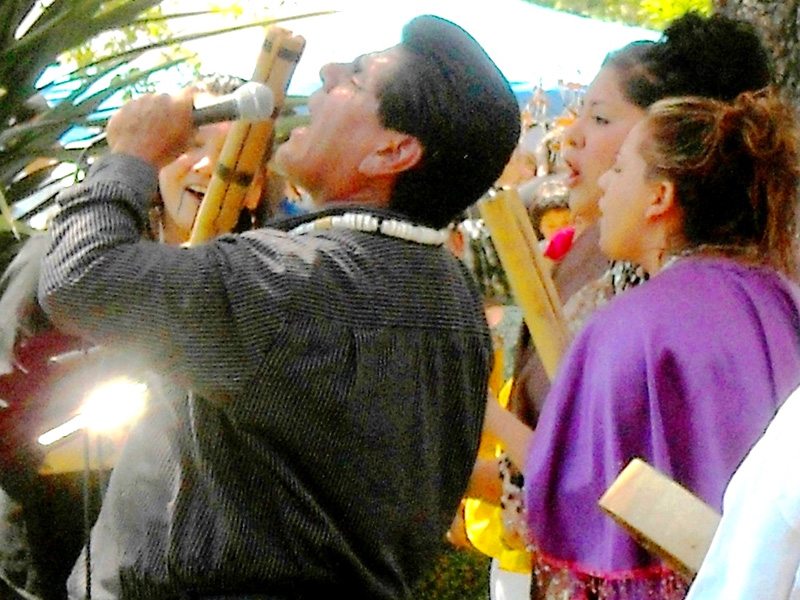
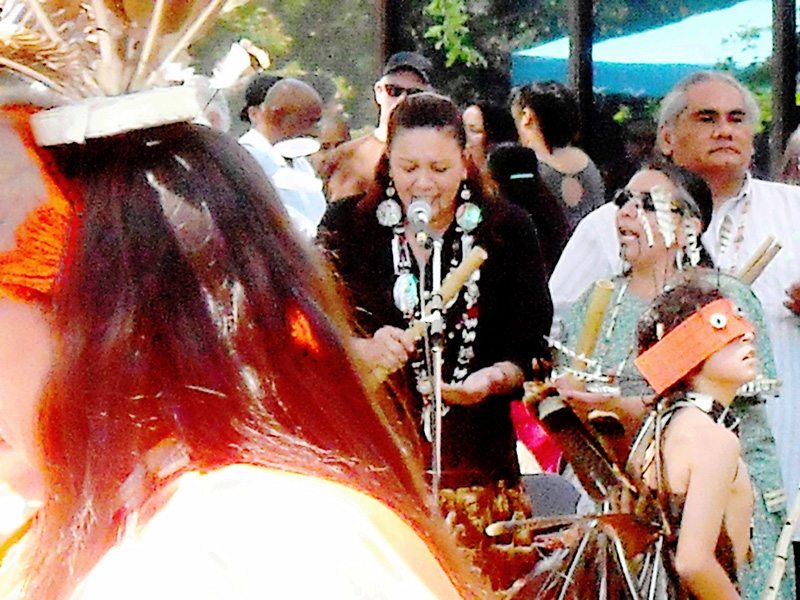
Photo Feature: California Pomo Dance

Photo Feature: California Pomo Dance

In his extraordinary book, The Ohlone Way (Heyday Books: Berkeley, 1978), Malcolm Margolin chronicles “Indian life in the San Francisco-Monterey Bay Area” as it existed 200 years ago. Drawing on accounts of Spanish explorers and missionaries and a diverse lot of seamen, traders, and adventurers, he creates an astounding multi-layered portrait.

He describes an untamed primal land whose incredible abundance of wildlife amazed even those well-seasoned travelers who first encountered it. It is a land far removed in time from us today. Yet in the descendents of the people of that land there remains an essential and alive cultural and spiritual continuum.

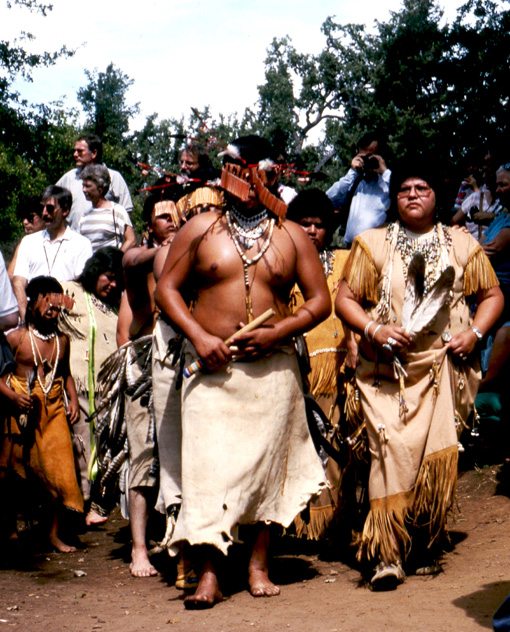
Years ago, friends and I attended Native American “Big Time” celebrations at California’s Indian Grinding Rock State Park. In the traditional roundhouse there, around an open fire, Miwok and Pomo dancers danced continuously for two days and nights.

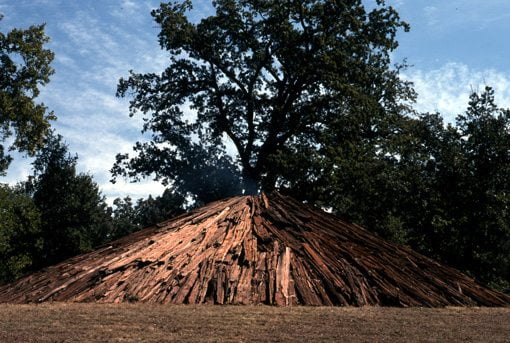
Roundhouse at Indian Grinding Rock 1989

The character of those dances, highly communal in nature, was remarkably similar to that described in early accounts referenced in The Ohlone Way: the flicker-feather shafts the dancers wore across their foreheads, the double whistles held in the dancers mouths and blown in synchronization with the beat of the dance, the manner of dancing itself, the dance’s accompaniment by singing and the clapping of split-stick rattles.

Leaving the Roundhouse after Dancing 1989

Drawing on an early 1800s narrative by G.H. Langsdorrf, Margolin pieces together an archival depiction that could just as easily be a description of the dance today:

“The men formed a circle, the women formed a second circle behind them, and the dance began. The dancers were stooped slightly at the waist, and they blew through their whistles in short, continuous bursts. Their bodies remained rigid throughout the dance, frozen in the stooped position. Their feet lifted sharply at the knees and stamped down hard against the earth. Their heads made jerky motions from side to side. Dressed in feathers that shook and rattled, blowing through their bird-bone whistles, their heads jerking this way and that, the dancers took on an uncanny resemblance to birds – not ordinary birds that twitter in the willows and oaks, but to the gigantic, black feathered birds of the spirit world…

“The beat never changed, but as time passed it grew more intense… The dance went on for hours, sometimes for a whole day or even longer. The dancers stamped and stamped. They stamped out all sense of time and space, stamped out all thoughts of village life, even stamped out their own inner voices. Dancing for hour after hour they stamped out the ordinary world, danced themselves past the gates of common perception into the realm of the spirit world, danced themselves toward a profound understanding of the universe that only a people can feel who have transcended the ordinary human condition and who find themselves moving in total synchronization with everything around them”

Since the dances we attended in the roundhouse at Indian Grinding Rock were of a similar character, taking place in “sacred time,” no photographs were permitted.

Occasionally, however, dances are done in a public and social setting, and at these times it is possible to photograph the dancers. The photos presented were taken at such an event, the annual Native American Spring Celebration in Santa Rosa, California, in May 2011.

All Photos Copyright 2012 Henry Kuntz Jr.

The photos can best be seen by clicking the first one of the following gallery and then clicking on the right part of the photo to see the next one and so on. You can also easily navigate using the directional arrow buttons of the keyboard.

Photo Essay Nayarit Pacific Coast, Mexico


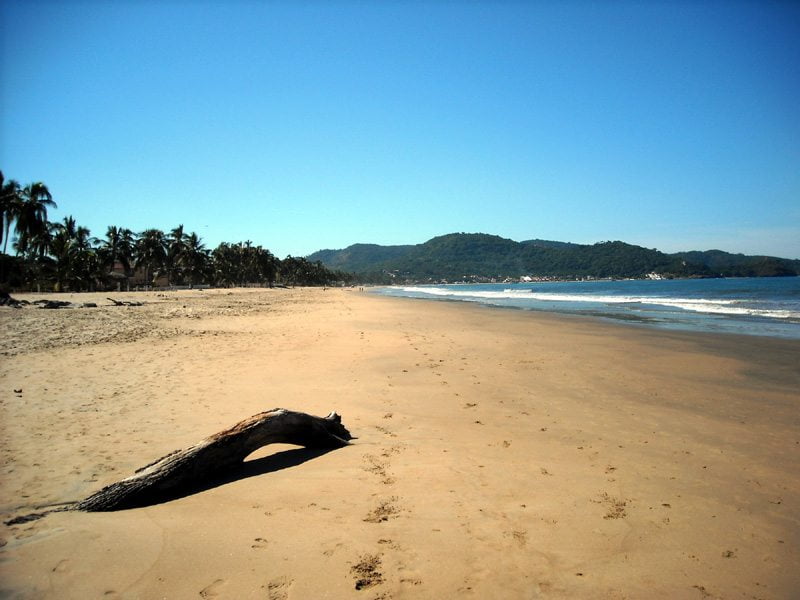
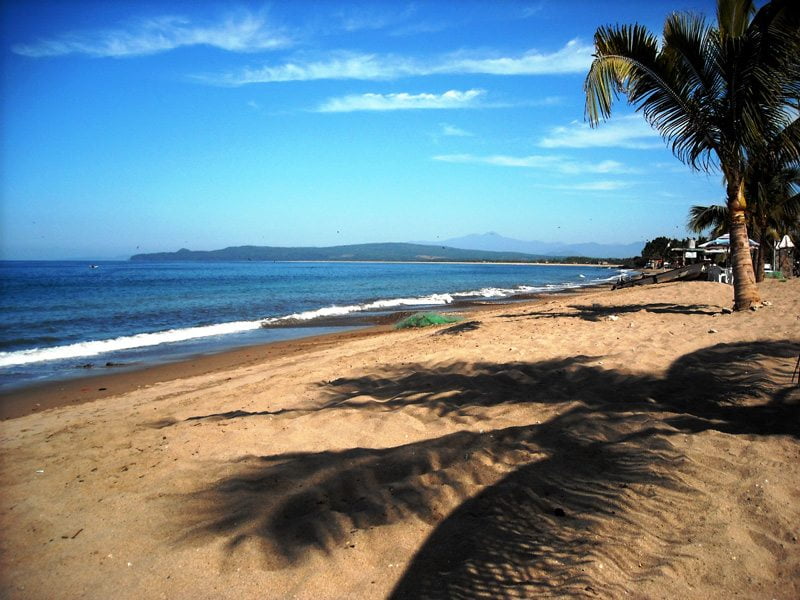
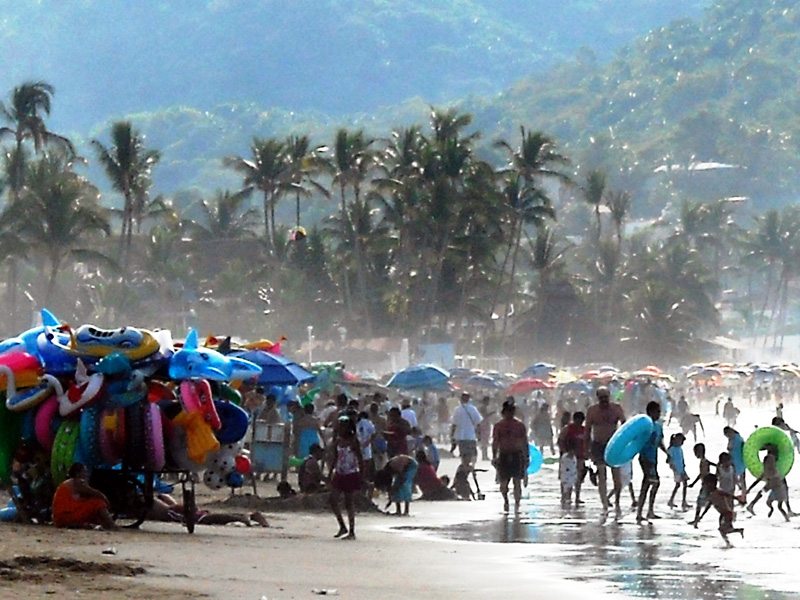
The Beach at Guyabitos (Before the holidays!)

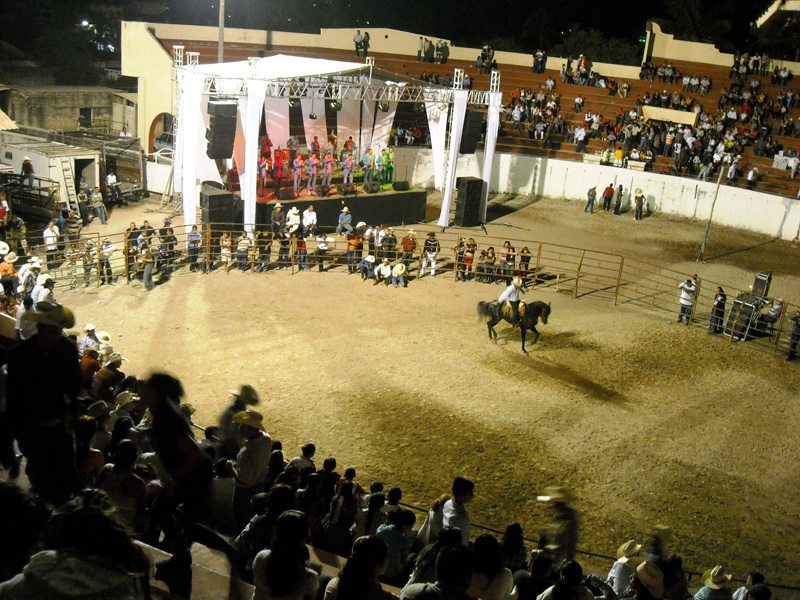
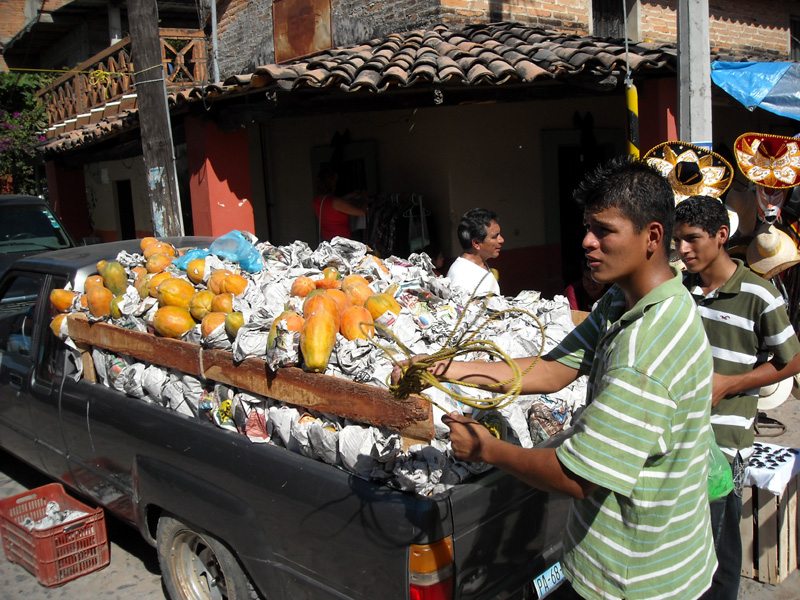
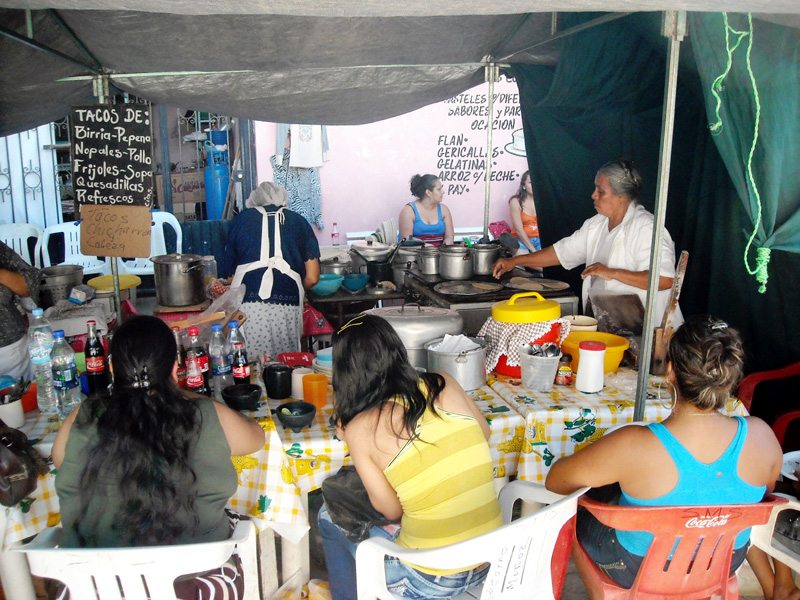
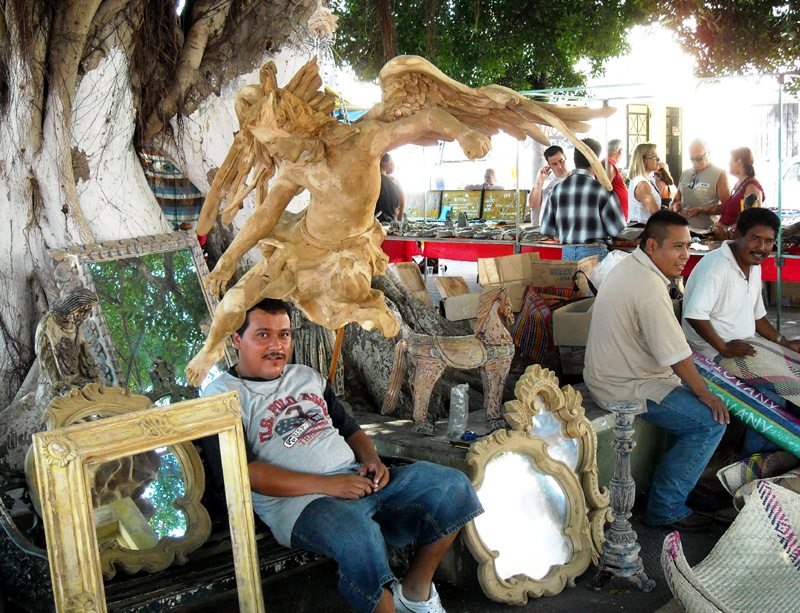
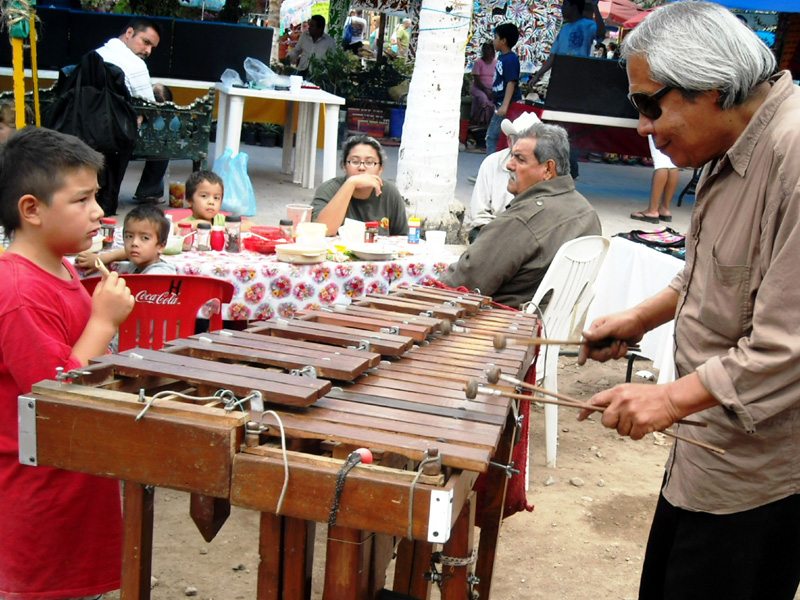
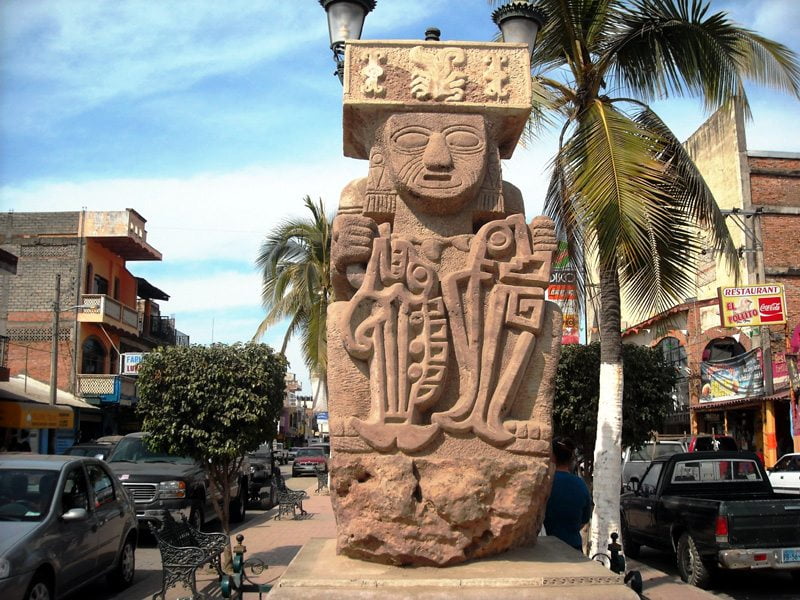
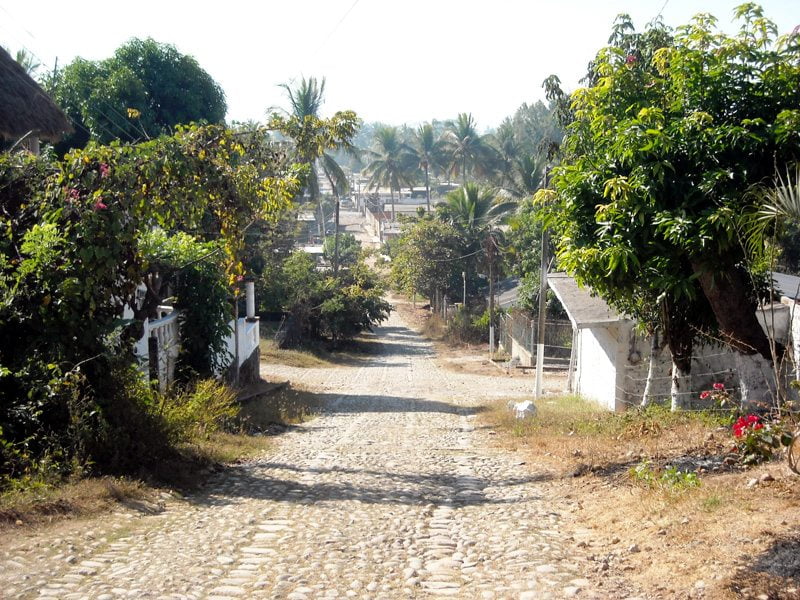
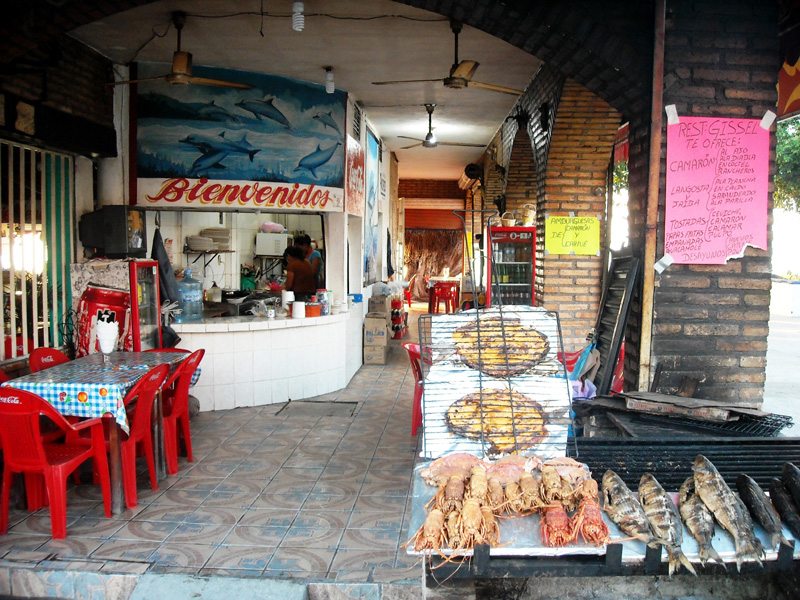
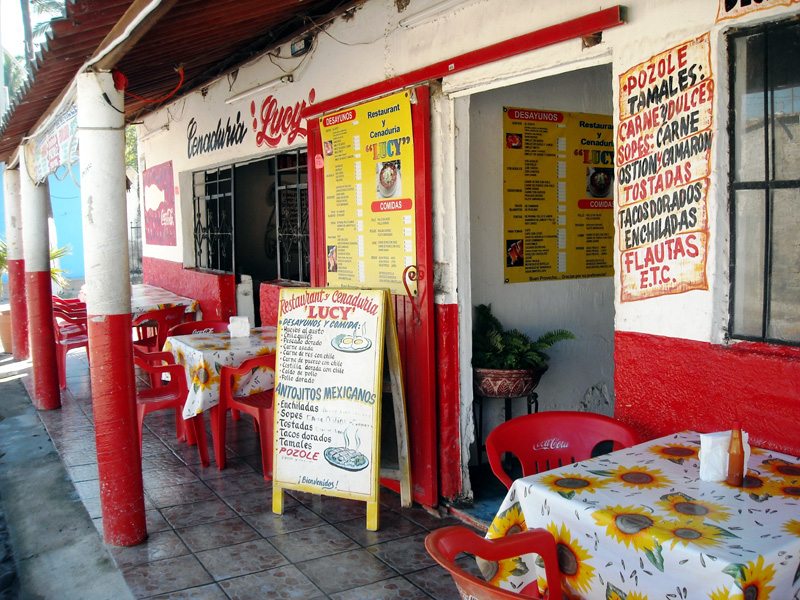
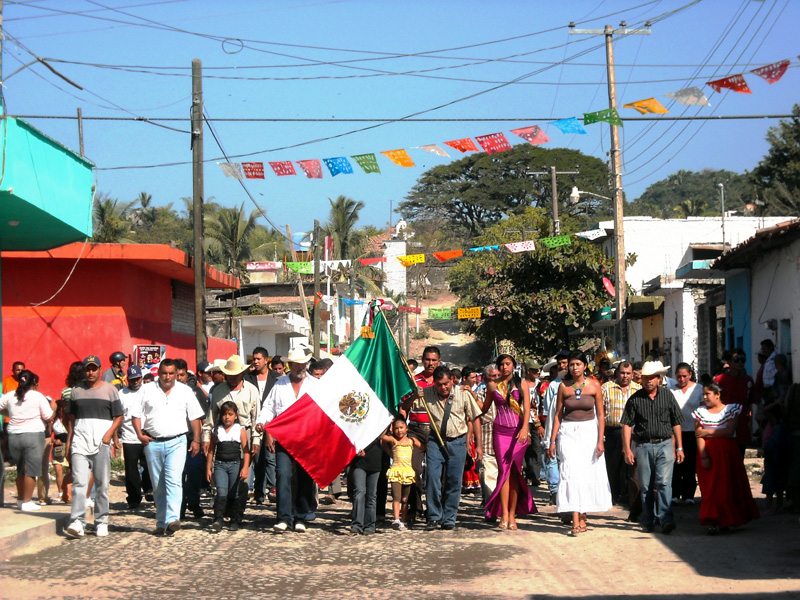
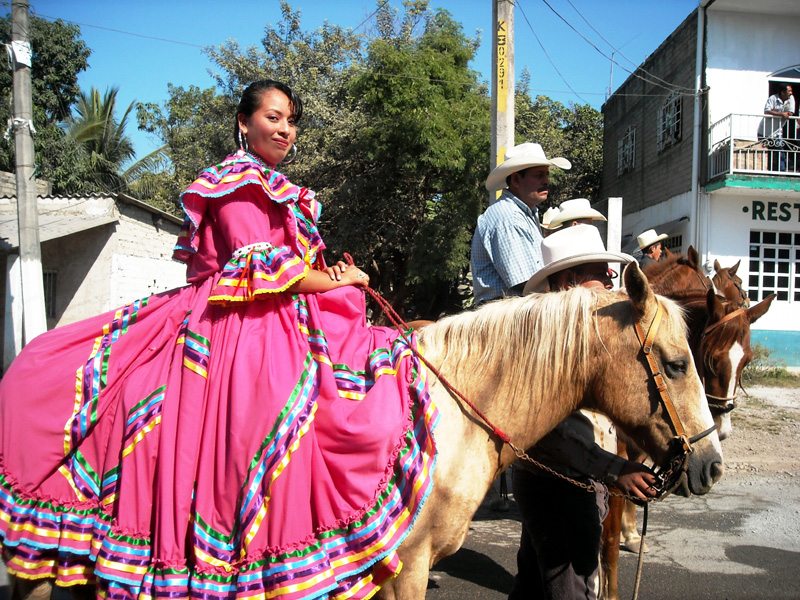
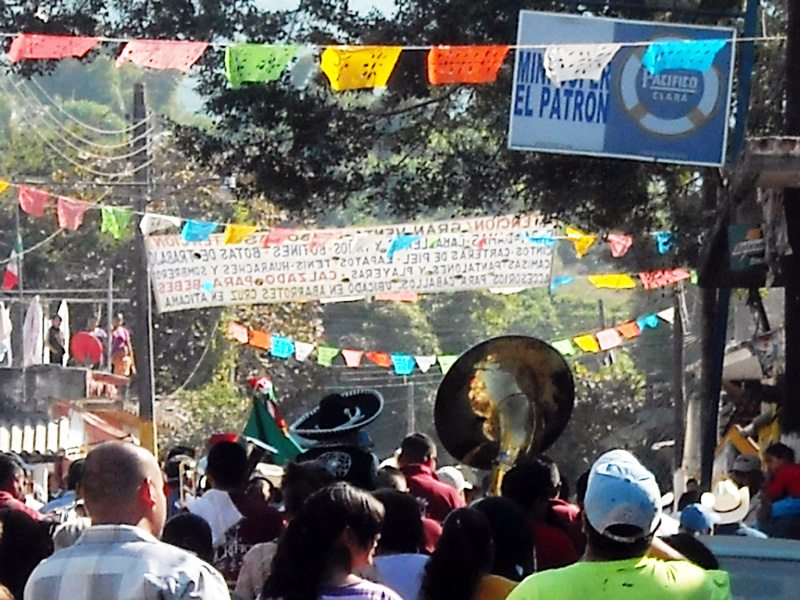
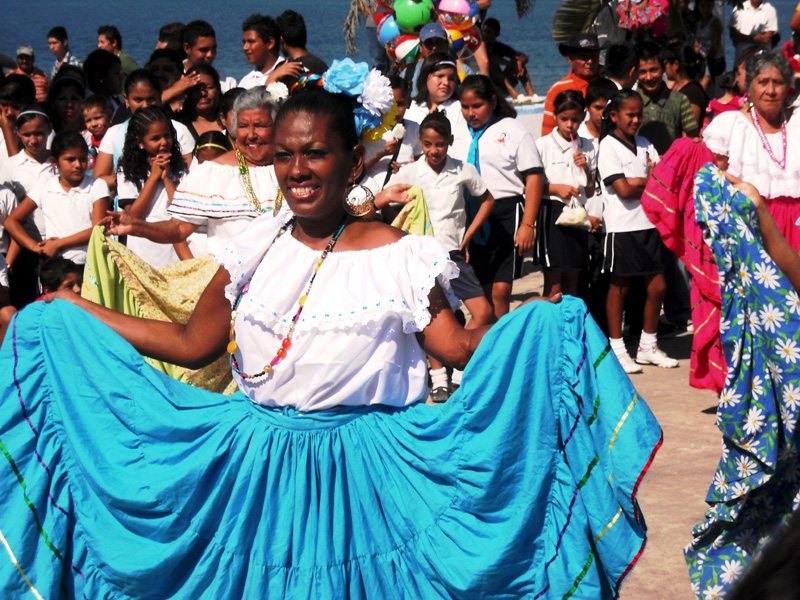
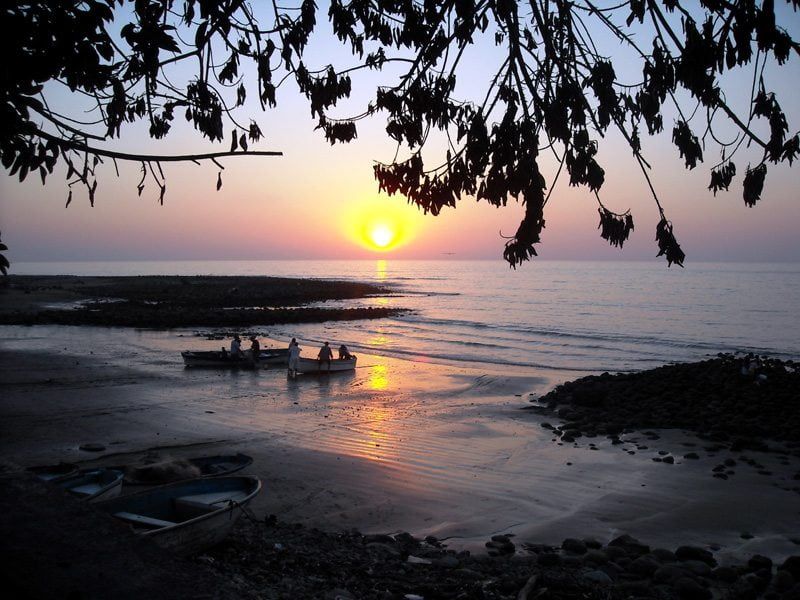
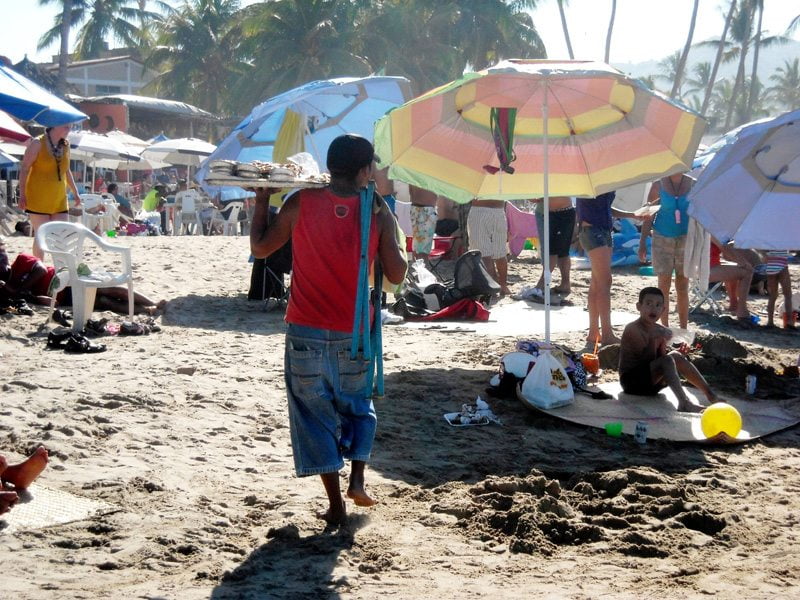
Photos are from Rincon de Guayabitos and La Peñita, neighboring communities on Jaltemba Bay, and from Aticama at the southern tip of Matanchen Bay.

Guayabitos is an old-style Mexican resort while La Peñita is more of a working Mexican town. Both communities host a sizeable influx of foreign visitors during winter, mostly Canadians escaping sub-Arctic temperatures in their homeland.

Aticama is a small oceanside community that feels a little like the “boonies” of paradise and is friendly and accommodating. A handful of Americans have built homes in the jungle above the town; there is no real tourist thing going on, and no taxi! Mexicans from all around Mexico arrive for the holidays, but it is rare to see any foreign tourists. There is a 6 km long beach where you and the dolphins (big!) swim together within a few fins distance.

The photos can best be seen by clicking the first one of the following gallery and then just click the right part of the photo to see the next one and so on. You can also easily navigate using the directional arrow buttons of the keyboard…

Most photos are from late 2010. All images Copyright 2011 Henry Kuntz Jr. All Rights Reserved.

The Beach at Guyabitos The Beach at Guyabitos

If you would like to see a 37-second video clip (music & bull riding) from the rodeo in La Peñita, you can view here: